
This article contains affiliate links. We earn a small commission on purchases at no extra cost to you.
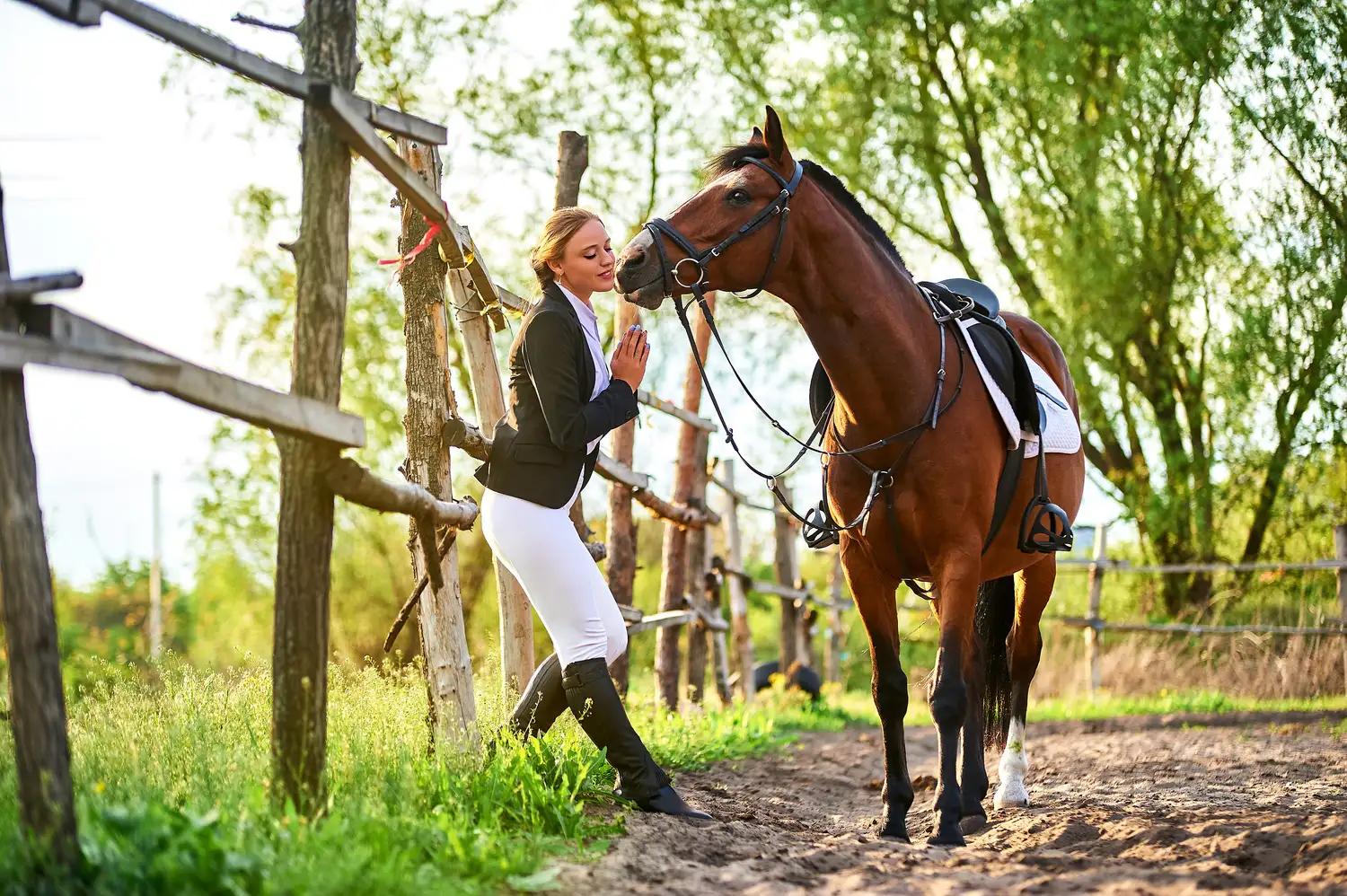
The barn has a way of cutting through the noise. You show up, and the morning asks something of you — presence, intention, a willingness to be fully there. Every great ride starts before you ever get in the saddle. Here's the ritual that makes it happen.
1. Before You Tack Up
The ride doesn't begin when you swing a leg over. It begins with the choices you make in the hour before — and the equestrian morning routine that makes those choices automatic.
What you eat matters more than most riders acknowledge. Your horse is asking for your balance, your steadiness, your focus — and a blood sugar crash at the sitting trot isn't going to give him any of it. Before a morning ride, aim for something with protein and staying power: oats with almond butter and a sliced banana, two eggs on toast, Greek yogurt with fruit and a handful of nuts. Not a feast — enough to be present. And water before the coffee, if you can manage it. Dehydration shows up in the saddle before you feel it anywhere else: a shortened attention span, a stiffness you can't explain, a tendency to grip.
What you wear to the barn is a choice too, even if it doesn't feel like one. The rider who arrives in clothes she threw on versus the rider who arrives in clothes she chose — they often ride differently. Not because the outfit matters to the horse, but because how you dress affects how you carry yourself. Breeches that fit, a base layer that moves with you, a jacket pulled from the hook by the door rather than grabbed off the floor. These things add up.
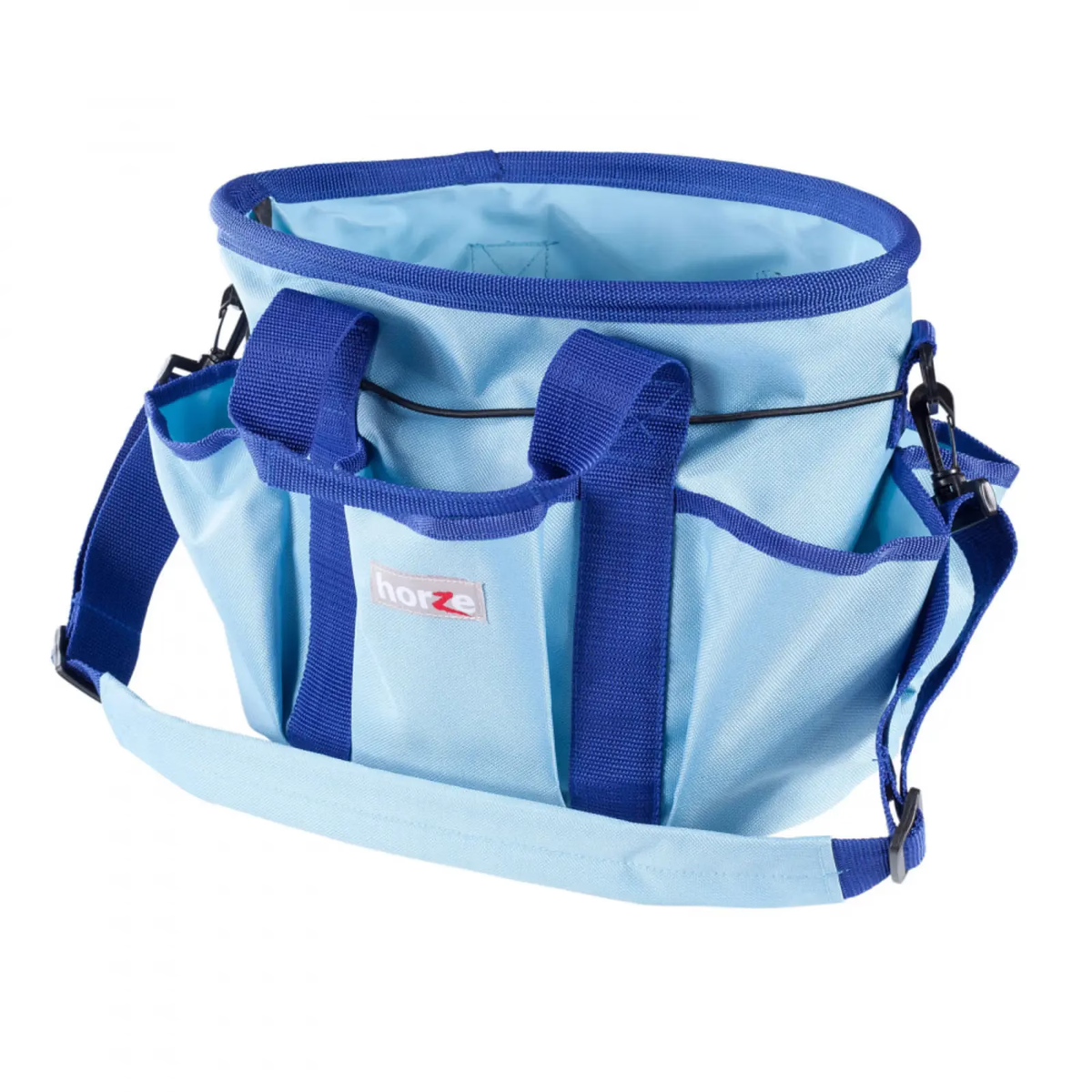
What you bring completes the picture. A Horze Grooming Bag with everything in its place — brushes sorted, hoof pick ready, spray bottle filled — means you arrive at the cross-ties calm instead of digging through a pile. That calm transfers.
The Organized Barn Bag
Horze Grooming Bag
From ~$25
Horze → Shop Now*Affiliate link — we earn a small commission at no extra cost to you.
2. Setting Intentions — for You and Your Horse
Before you halter your horse, take a breath.
This isn't a wellness exercise — it's a practical one. Horses read your state before you speak a word. The tension in your shoulders, the pace of your breathing, the scattered energy of someone who's already mentally three places at once — they feel all of it, and they respond to it.
Ask yourself two questions before you unclip the paddock gate: What do I want from this ride? And what does my horse need today? Sometimes those answers align. Sometimes they don't, and the better rider adjusts. A horse that came in stiff from a cold night needs a longer warm-up and a patient hand. A horse that's fresh and looky needs quiet confidence and a clear ask. Knowing the difference — being curious about it before you assume — is what separates riders who exercise their horses from those who communicate with them.
One minute at the gate before you clip the lead rope. It costs nothing and changes everything that follows.
3. Grooming as Connection
Grooming is the first conversation. Start at the neck, work back. Notice where your horse leans into the brush — the good spot behind the left shoulder, the tension at the base of the tail. Notice the small things: a bit of filling near the fetlock you'll want to watch, a patch of dried mud that wasn't there yesterday. This is reconnaissance and relationship at the same time.
Lower your own breathing while you groom. It sounds simple because it is — but horses mirror nervous systems with startling accuracy. A rider who arrives hurried, clips the cross-ties, and starts scrubbing at a horse's face will often have a worse ride than one who arrived at the same time but spent three extra minutes moving slowly and breathing out. The horse is already telling you what kind of morning it's going to be. Your job is to listen before you lead.
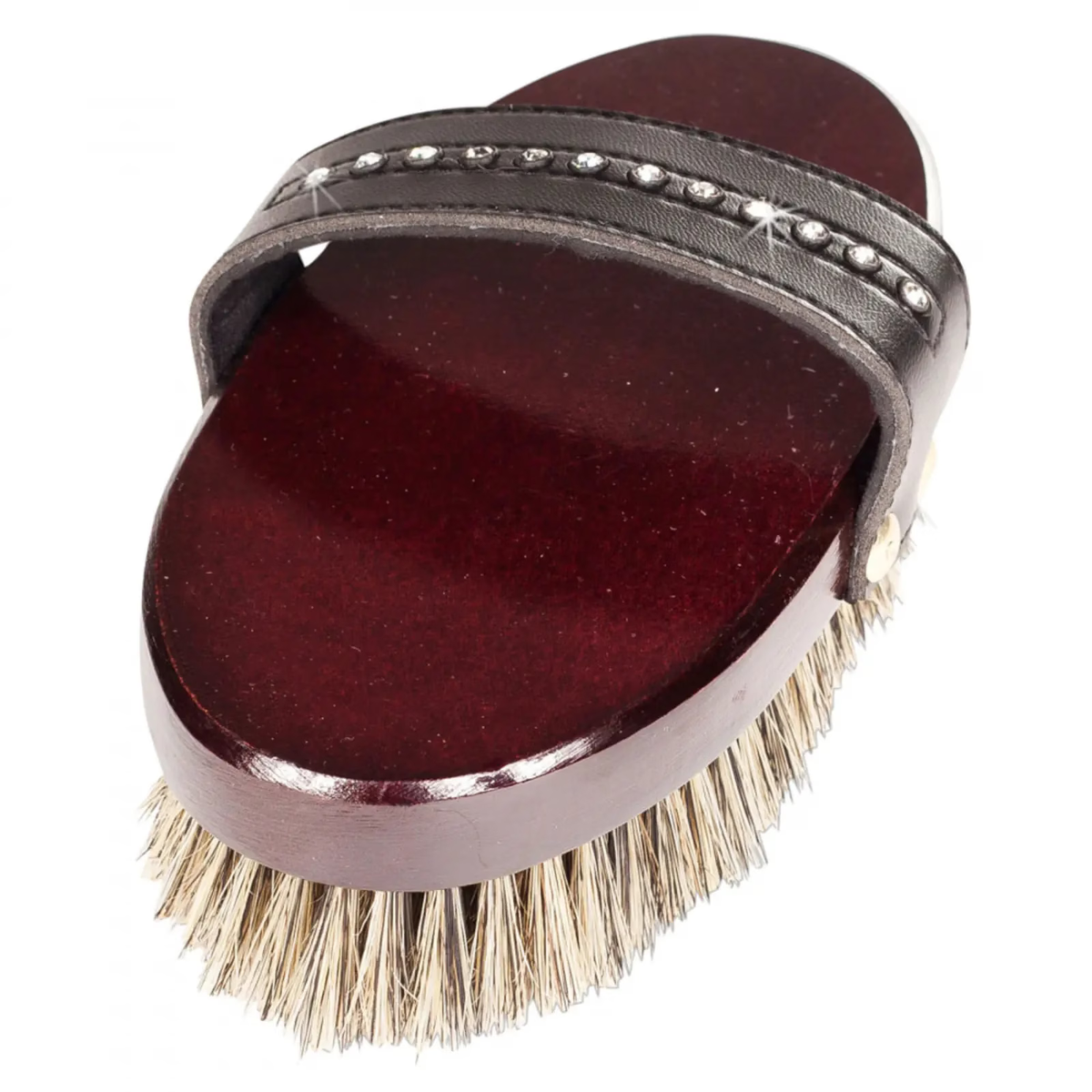
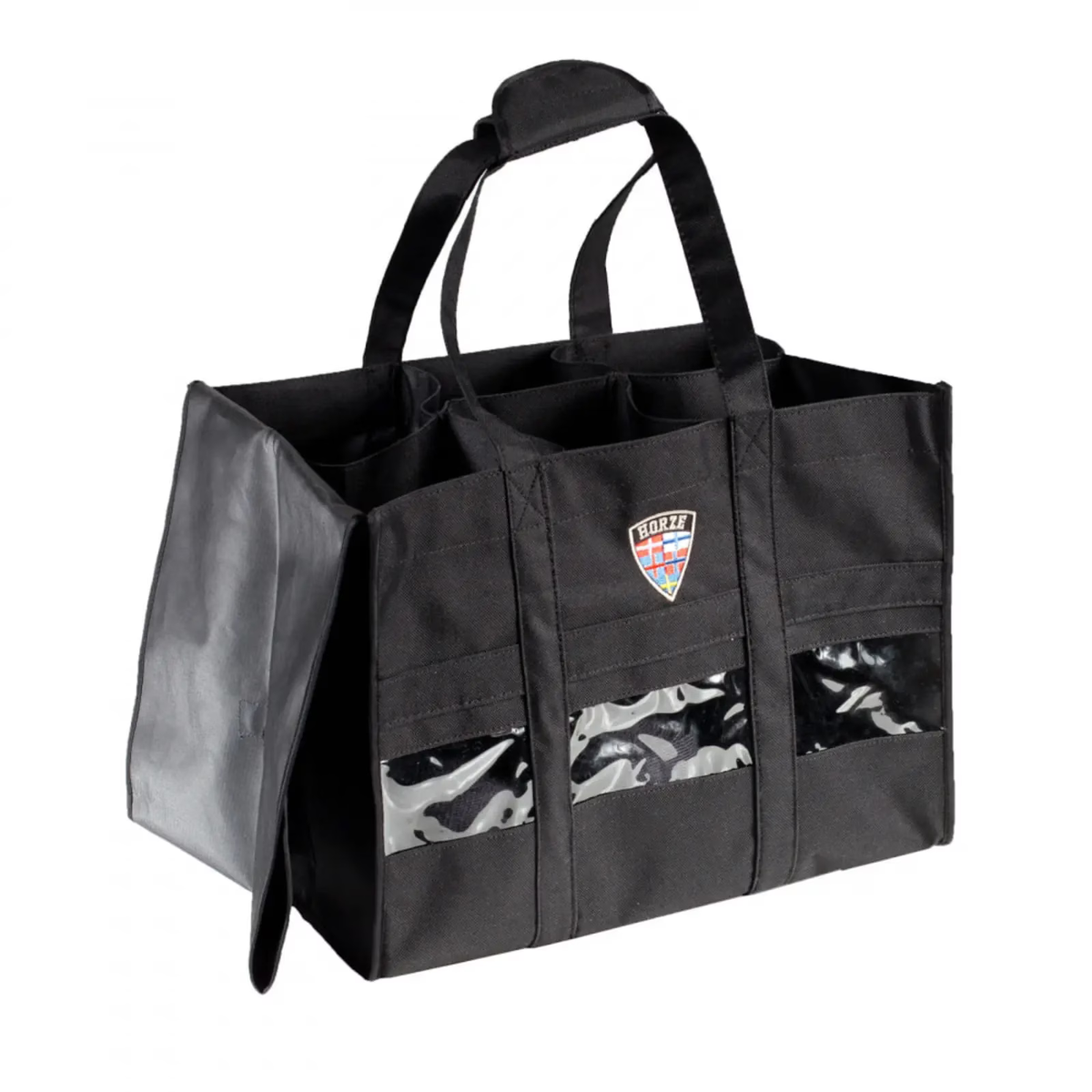
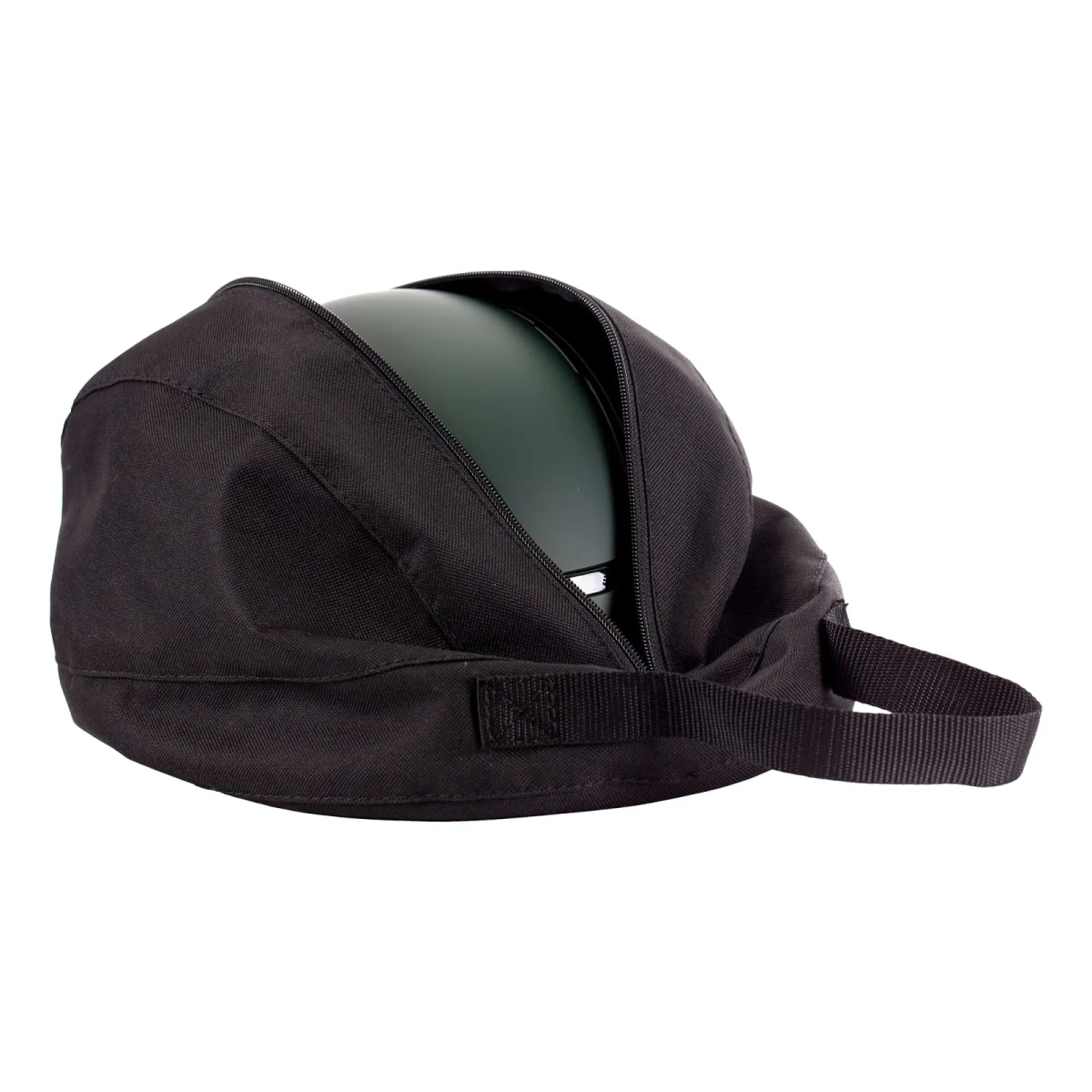
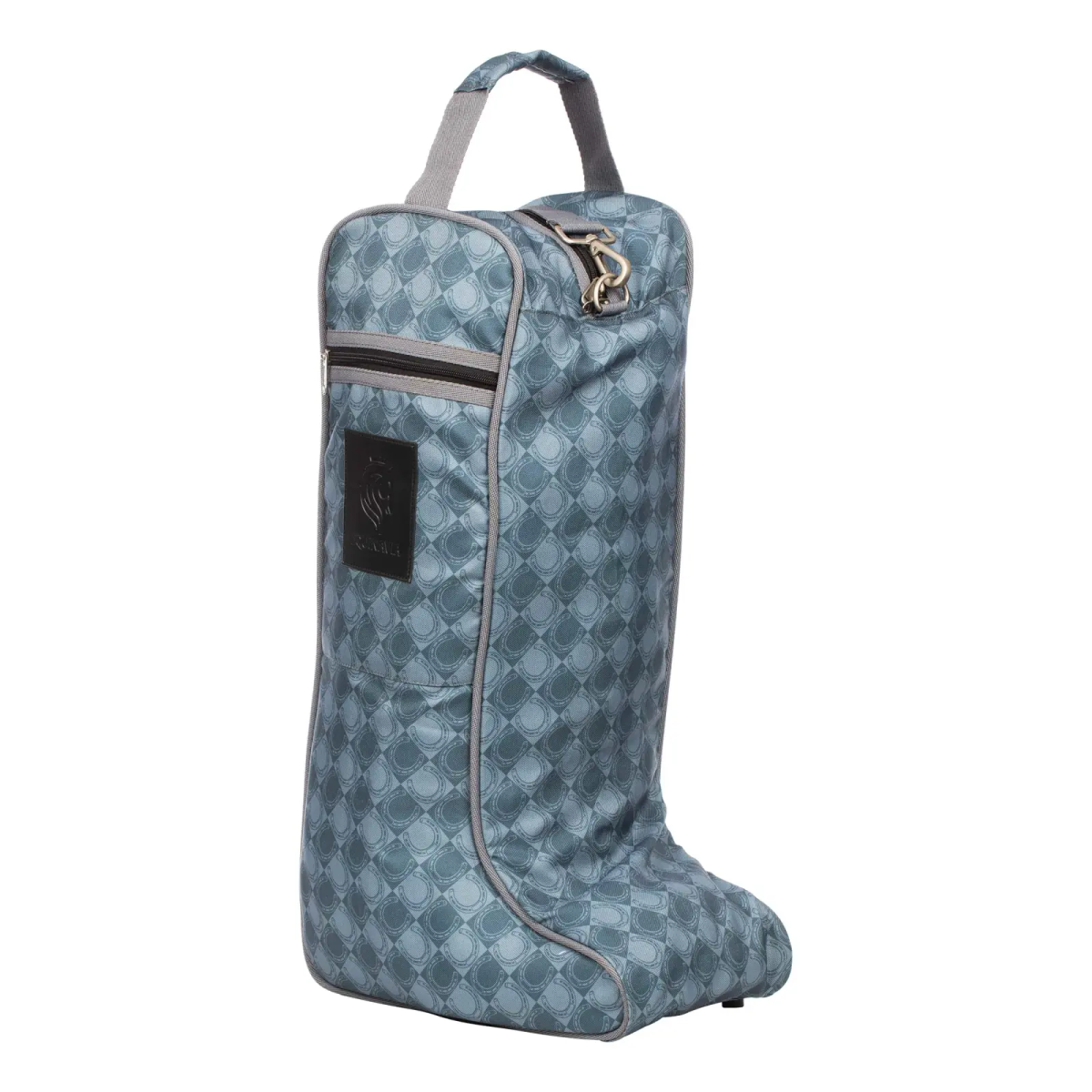
The quality of your tools matters here, though not simply for the horse's coat. It's about the ritual itself — a Horze Deluxe Classic Body Brush that sits right in your hand, a Horze Bandage Bag and Horze Helmet Bag with a place for everything, an Equinavia Darby Boot Bag for the ride out. Good equipment is a form of respect for the practice.
Grooming
Horze Deluxe Classic Body Brush
Shop Now →
Organization
Horze Bandage Bag
Shop Now →
Equipment Care
Horze Helmet Bag
Shop Now →
Equipment Care
Equinavia Darby Boot Bag
Shop Now →
Tack Care
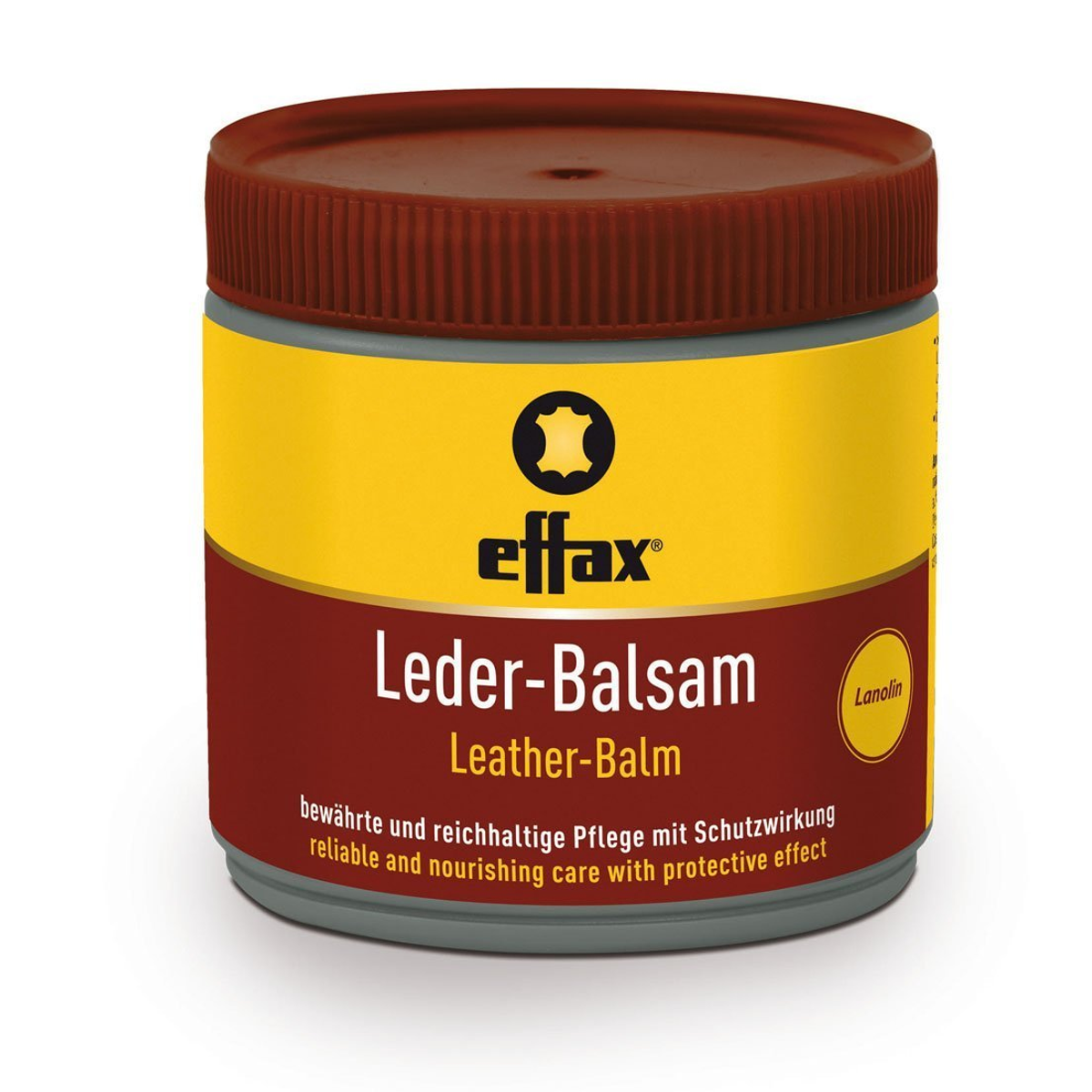
Effax Leather Balm
Shop Now →
The Crossover Piece
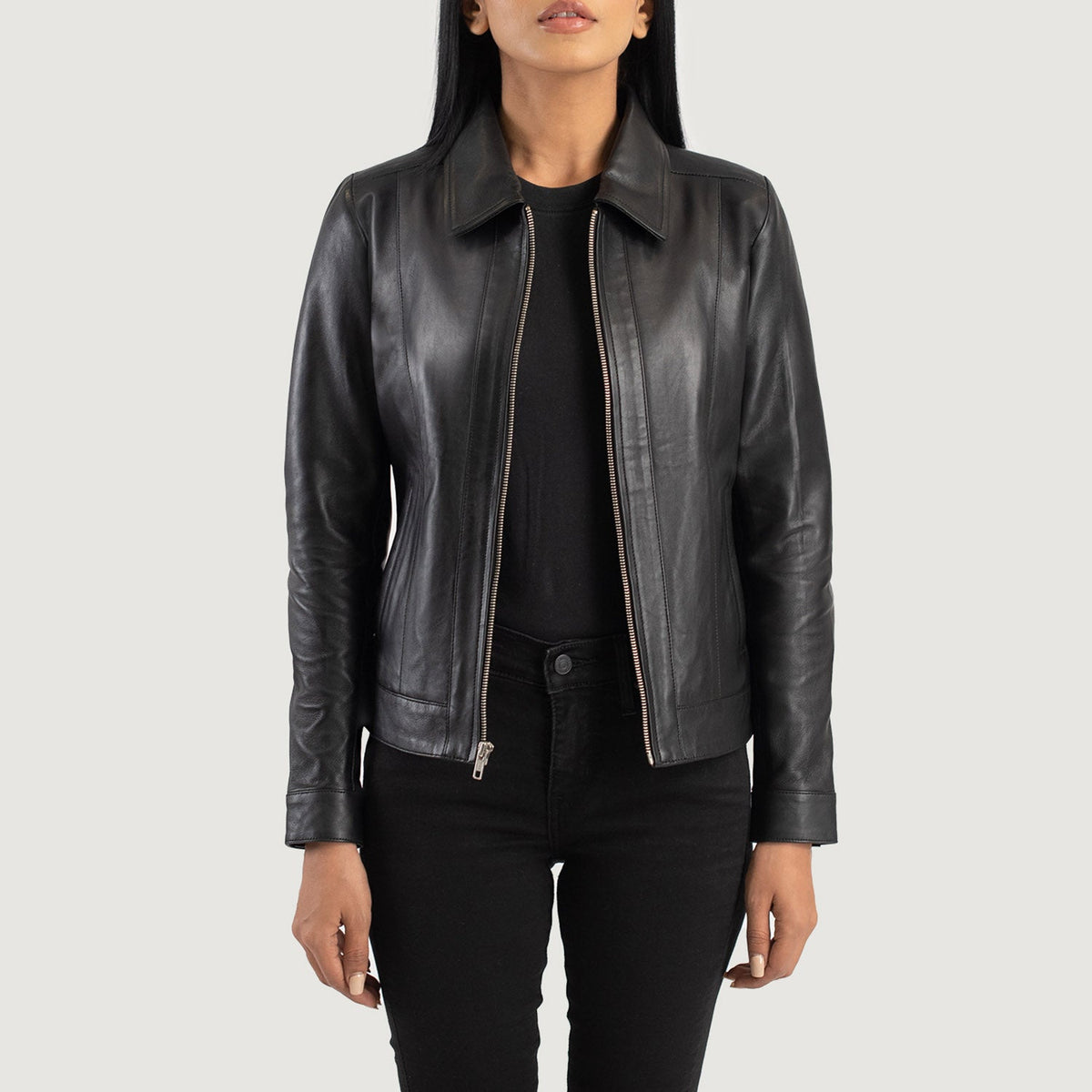
Vixen Classic Collar Leather Jacket
Shop Now →
4. Warm-Up and Alignment
The first ten minutes of your ride are not wasted time. They are the ride.
For your horse, this means walking — on a long rein, over the back, through the neck. Asking him to swing before you ask him to collect. Letting the body arrive before the work begins. Fifteen minutes of quality walking warm-up will buy you thirty minutes of better work. Most riders know this. Most riders rush it anyway.
The warm-up isn't passive. You're watching how he moves, listening for the rhythm to even out, feeling for the moment his back loosens and his stride lengthens. That change — when it comes — is a signal. He's ready. Move from there, not from the clock.
For you, the warm-up is a different conversation. A few hip circles in the saddle, feeling where your weight is sitting unevenly. Shoulder rolls that release what the steering wheel put there on the way in. A deliberate lengthening through your spine — not a performance, just a quiet check-in with your own body's alignment. A stiff rider makes a stiff horse. The warm-up is where you fix that before it becomes a problem in the work.
One honest diagnostic: the posting trot. Watch yourself, not the ring. Can you feel the rhythm clearly? Are you tipping forward, bracing in the lower back, squeezing through the knee to stay up? The warm-up is where honest riders find the answers they'd rather not look at in the ring — and address them quietly, before anyone else is watching.
“A stiff rider makes a stiff horse. The warm-up is where you fix that before it becomes a problem in the work.”
Warm-up isn't only physical preparation — it's also where the relationship gets built, ride after ride. Here are five ways to deepen that connection on purpose.
5. Post-Ride Horse Care
The ride ends when your horse is dry, comfortable, and settled — not when you dismount.
In summer, this often means the hose. A cool (not cold) rinse down the neck, chest, and hindquarters — starting away from the heart, working toward it. Scrape the water off efficiently. Walk him in the breeze until his breathing settles and the coat stops steaming. Don't rush back to the stall while he's still blowing. That recovery time matters to his muscles as much as the work itself did.
In cooler months, the process is slower. Walk until his respiration is back to normal — ten minutes is rarely enough, twenty is usually right. Check under the saddle pad for heat. Throw a cooler over his back to wick moisture while he keeps moving; it comes off when he's dry, not before. A horse put away wet in winter is a horse who wakes up stiff and sore. You'll feel that the next morning.
Check the legs before you put him away. Run your hands down each one — not because you expect to find something, but because you want to know what normal feels like for this horse so you recognize when it isn't. Pick the feet. Note anything that bears watching.
And then the treat. A carrot, an apple, whatever he loves. This isn't sentimentality — it's communication. You asked something of him. He gave it. The treat is the close of the conversation, and horses remember how conversations end.
6. The Ritual Close
This is the part most riders skip. It is also the part that makes the difference between a good morning at the barn and a practice with real intention.
Clean your tack while it's still warm and pliable. Two minutes with a damp cloth and a good leather conditioner now is worth twenty minutes of work later — and it keeps leather supple, stitching intact, and your investment sound for years instead of seasons. A clean bridle hanging in a clean tack room at the end of the morning is also just satisfying in a way that's hard to explain to anyone who doesn't spend time in a barn. It's the visual confirmation that you did the thing right.
Tidy the cross-tie area. Sweep the aisle. Coil the lead rope. Hang the grooming bag. This is the closing of the ritual, and it matters. The barn you leave organized is the barn that welcomes you back. The barn you leave in a hurry is the barn that costs you ten minutes of frustration at the start of the next ride.
Pack your bags with intention. Your boots go in their bag. Your helmet goes in its case. The polo wraps you used today are either in the wash or back in the bandage bag, not left tangled on the hook. You're not scrambling when you arrive next time; you arrive ready.
Then change out of your barn clothes. This transition matters more than it sounds. Getting changed isn't about erasing the morning; it's about being ready to carry the same intentionality into the next part of your day. The jacket you reach for as you leave is the one worth investing in — the piece built to move between a cold barn aisle and wherever you're going next without announcing itself either way.
And then: the treat for yourself. The coffee you've been thinking about since the first brush stroke. The apple and sharp cheese you packed alongside the horse treats. The three minutes of sitting in the truck with the heater on, doing nothing. You earned it. And so did your horse.
If you ride out of a trailer or haul to a competition regularly, the Equinavia Darby Boot & Detachable Helmet Bag is the piece that ties the ritual close together — boots protected, helmet safe, everything in one carry.
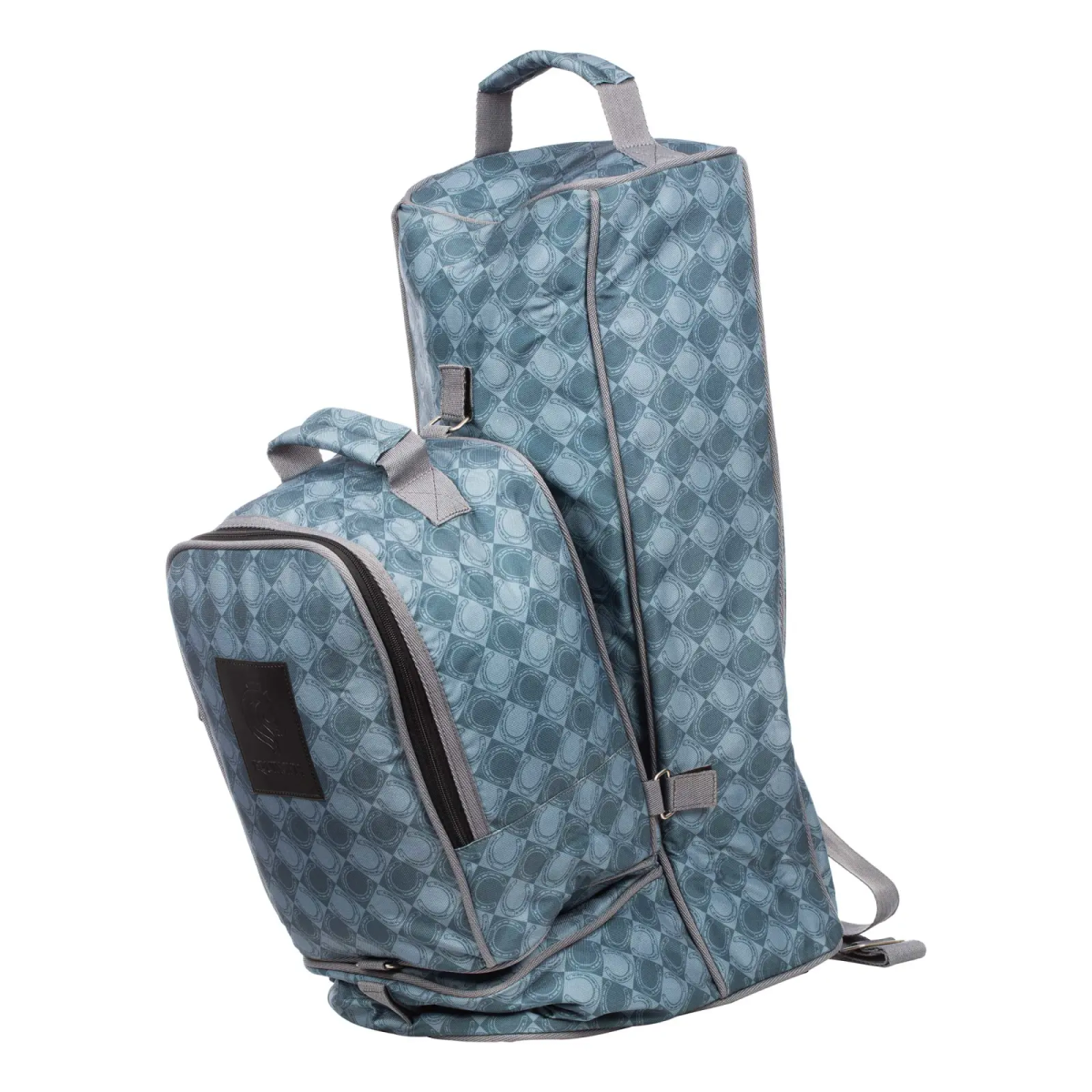
The Ritual Close — All in One
Equinavia Darby Boot & Detachable Helmet Bag
From ~$65
Equinavia → Shop Now*Affiliate link — we earn a small commission at no extra cost to you.
Frequently Asked Questions
What should I eat before horseback riding?
Aim for protein and slow-burning carbs eaten around 45 to 90 minutes before you ride — enough time to digest without riding on a full stomach. Good options include oats with nut butter, eggs on toast, or Greek yogurt with fruit and nuts. Avoid high-sugar foods that cause energy spikes and crashes. Hydrate well beforehand; even mild dehydration shortens focus and stiffens the body in ways you'll feel in the saddle.
How long should I warm up my horse before riding?
A meaningful warm-up is typically 10 to 20 minutes of walking on a loose rein before any collected or demanding work begins. Younger horses, horses in cold weather, and horses coming back from time off may need longer. The signal to move forward isn't the clock — it's when you feel your horse's back swing, his stride lengthen, and his neck relax. That change tells you he's physically ready.
How do I cool down my horse after a ride in summer versus winter?
In summer, rinse with cool (not cold) water, scrape off the excess, and walk in the breeze until breathing normalizes and the coat stops steaming. In winter, walk until respiration returns to baseline — usually 15 to 25 minutes depending on the intensity of the ride — and use a wool or fleece cooler to wick moisture from the coat while he keeps moving. Never put a horse away wet in cold weather. Check that he's fully dry before returning him to the stall.
What should I keep in my grooming bag?
At minimum: a dandy brush for dried mud, a body brush for coat and face, a curry comb, a mane comb or brush, a hoof pick, a soft cloth, and whatever sprays or conditioners you use regularly. Keep the bag stocked and sorted so you never arrive at the cross-ties missing something essential. A grooming bag with a place for everything — organized before the morning starts — is one of the smallest investments that pays back in the quality of every ride.
How do I clean tack quickly after every ride?
Clean tack while it's still warm — leather absorbs conditioner better and it takes less time. A damp cloth handles sweat and dust in under two minutes. Rinse the bit with water immediately; that's the one step that can't wait until tomorrow. What you use on the leather itself matters more than most people realise — the wrong product does slow damage you won't notice until it's too late. We've written up the full routine — what to reach for on every leather type, the order it has to go on, and what to keep away from leather entirely — in our complete leather tack care guide.
The Elevated Tack Room Lookbook
15 finds every equestrian actually needs — curated, tested, and worth every penny. Free when you join the list.
No spam. Unsubscribe anytime.
Done
You're on the list. Check your inbox — your guide is on its way.