
This article contains affiliate links. We earn a small commission on purchases at no extra cost to you.
Knowing how to care for leather horse tack — and every other material in your barn — is the difference between gear that lasts three years and gear that lasts thirty. This guide covers the right cleaner, conditioner, and routine for each material, with the specific products worth using and a quick-reference chart at the end.
The bridle that's been on the same horse for eight years and still looks like it came out of a box. The wool cooler that smells clean every single time it comes out of the wash. The riding jacket that never lost its shape, never pilled, never faded to that dull gray that signals the end of a garment's life.
None of that happens by accident. It happens because someone understood the material they were working with — and chose the right product for it.
This guide covers every major fabric and material you encounter as an equestrian: what it is, why it behaves the way it does, what you should never do to it, and what actually works. With the specific products we use and recommend and a quick-reference chart at the end for when you just need to know what to reach for.
Leather — Saddle, Bridle, Reins & Gloves
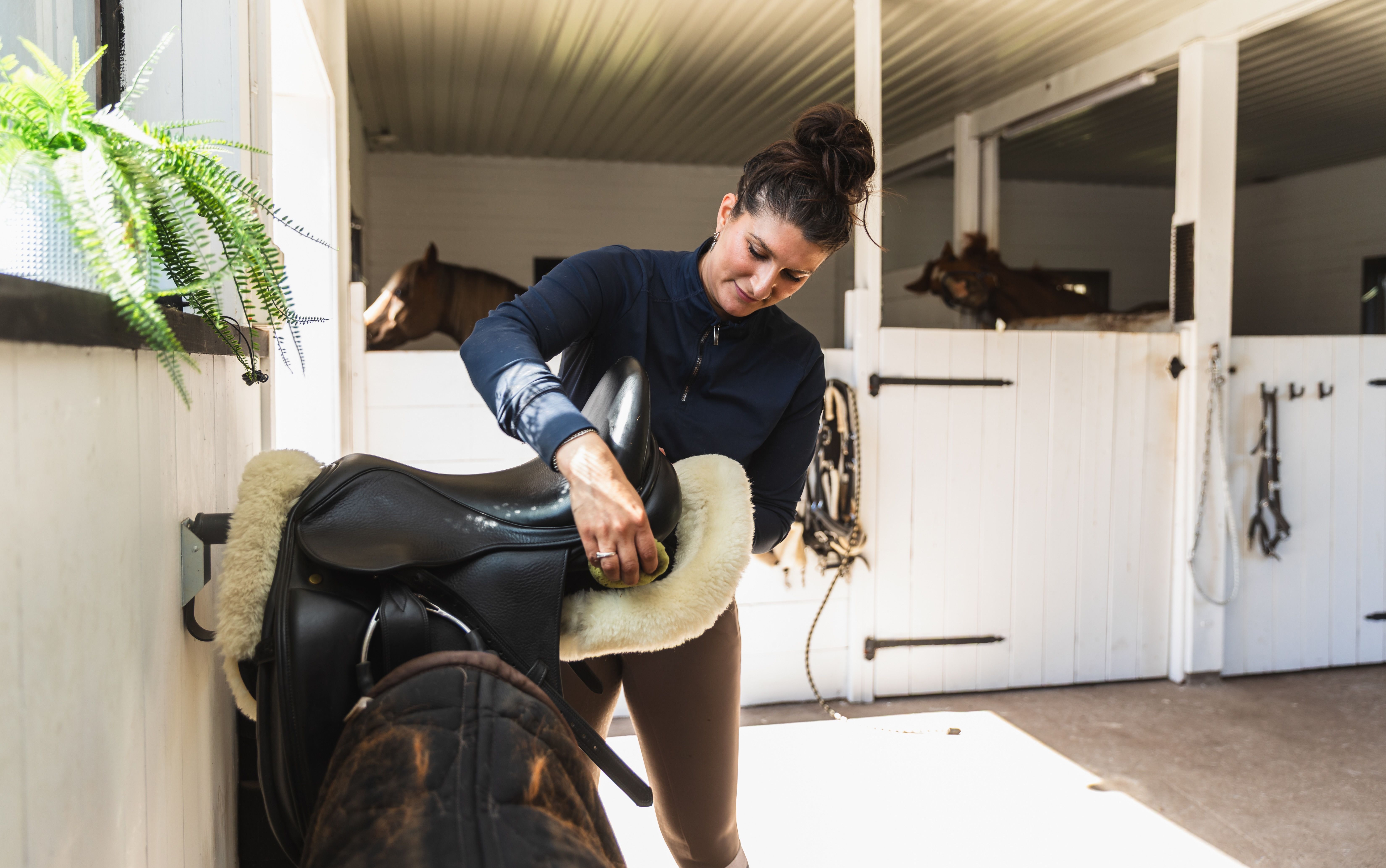
Leather is the most important and most misunderstood material in the barn. It's a preserved organic skin — which means it breathes, it ages, and it responds directly to what you put on it. Treat it well and a quality bridle outlasts you. Neglect it and you're replacing tack that should have been heirloom.
The routine is simple: clean first, condition second. Never reverse the order. Conditioning dirty leather traps the grime inside the fibers and accelerates breakdown. Cleaning alone, without conditioning, removes the oils that keep leather supple and eventually leads to cracking.
What to Use — and What Never to Touch Leather With
- Sponge: Synthetic sponge only. Natural sea sponges are too abrasive on fine grain leather. Wring it nearly dry — excess water is leather's enemy.
- Rag: Lint-free microfiber only. Cotton terry cloth has looped fibers that catch on leather grain and drag. Microfiber lifts residue cleanly without scratching.
- Never use: petroleum products, WD-40, olive oil, coconut oil, baby oil, or silicone-based products. All will soften leather short-term while degrading the fibers long-term.
- Never soak: Water softens the tanning agents and causes shrinkage and warping. A damp sponge is enough.
Our Leather Care Picks
Two products form the complete routine: Fiebing's Glycerine Saddle Soap for the clean and Effax Leather Balm for the condition. If you have both on the shelf, you have everything you need for every bridle, saddle, and pair of gloves in your barn.
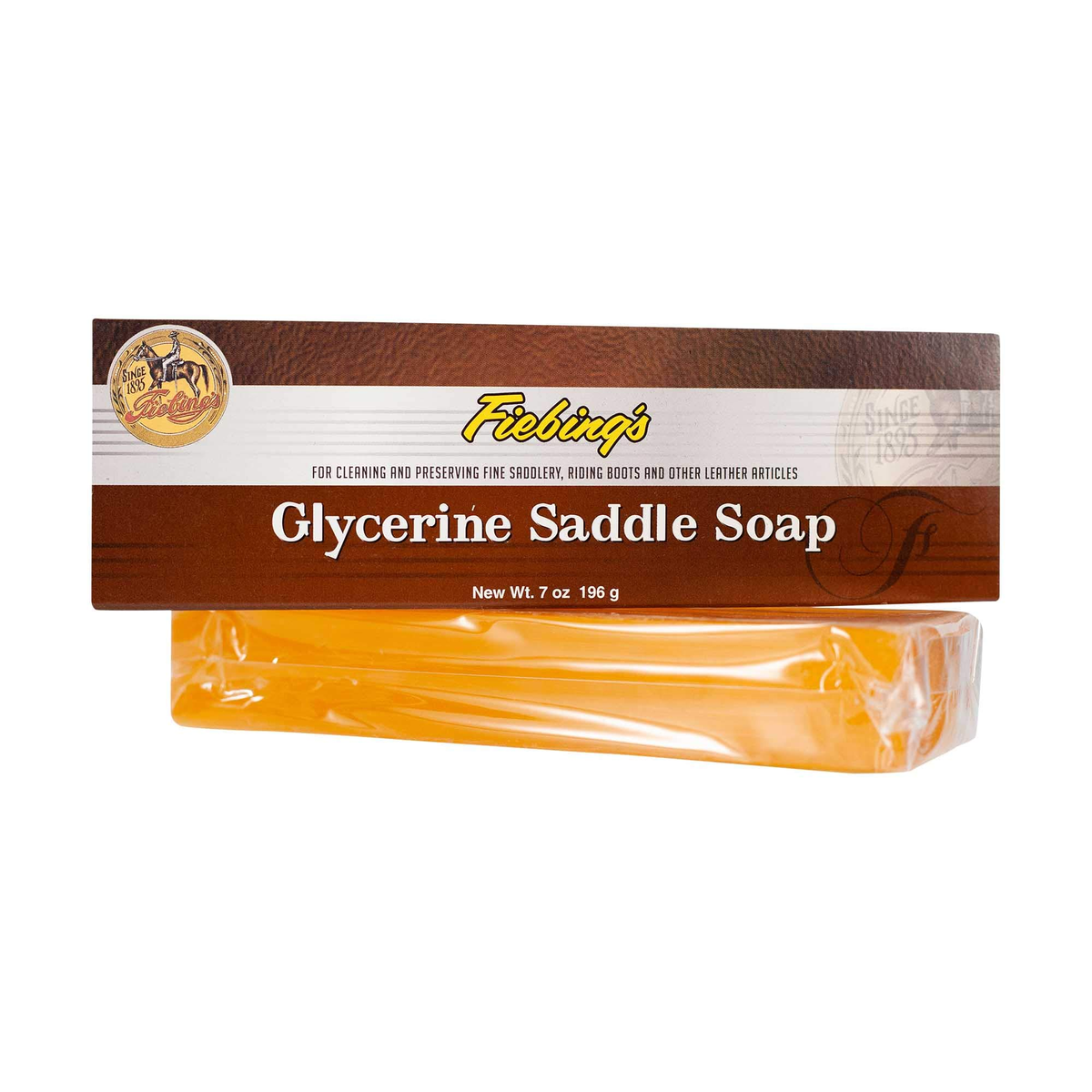
Step 1 — The Clean
Fiebing's Glycerine Saddle Soap Bar
Around $7
Fiebing's → Shop Now*Affiliate link — we earn a small commission at no extra cost to you.
“Clean first, condition second. Reverse the order once and you've spent twenty minutes pressing grime deeper into the grain.”
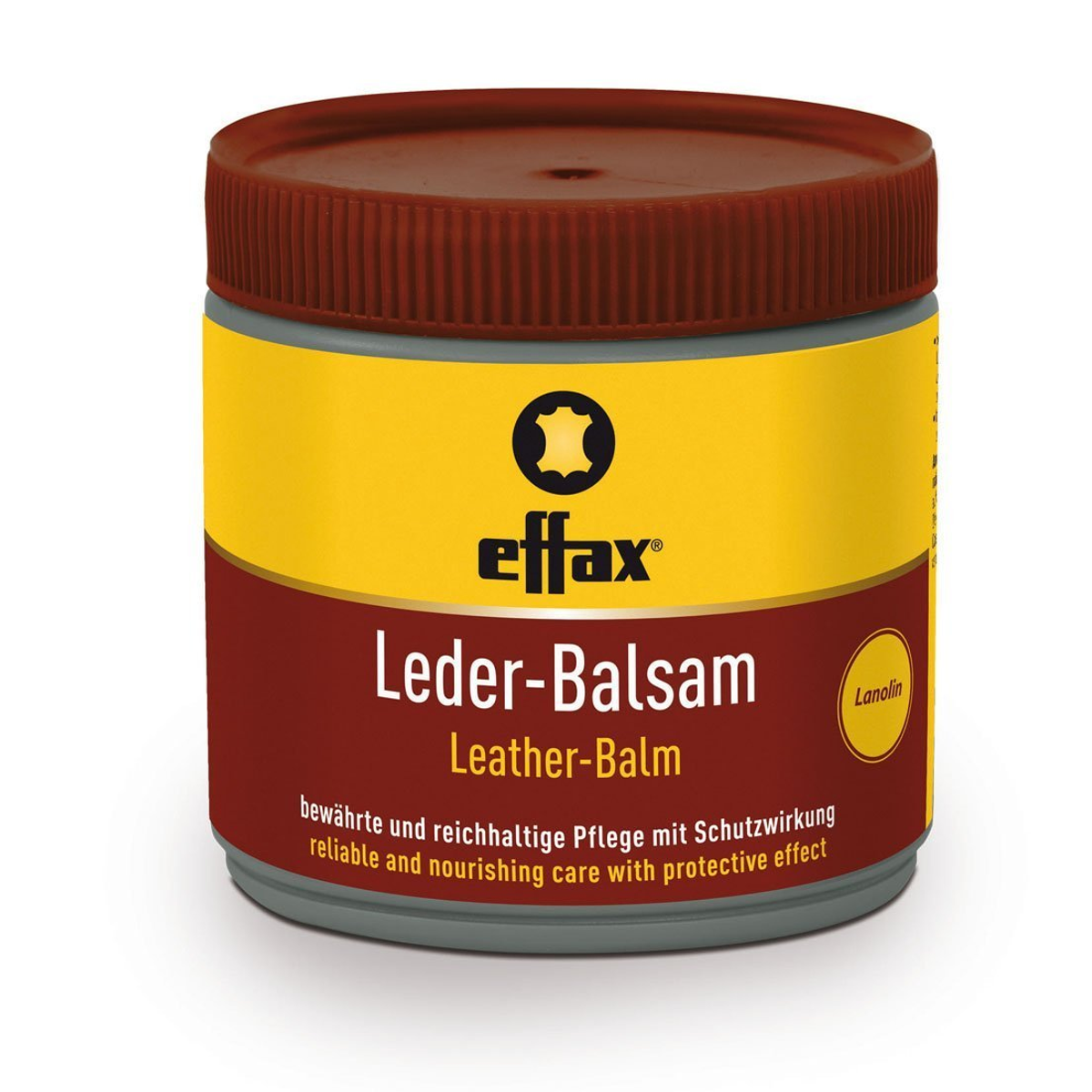
Step 2 — The Condition
Effax Leather Balm
Around $20
Effax → Shop Now*Affiliate link — we earn a small commission at no extra cost to you.
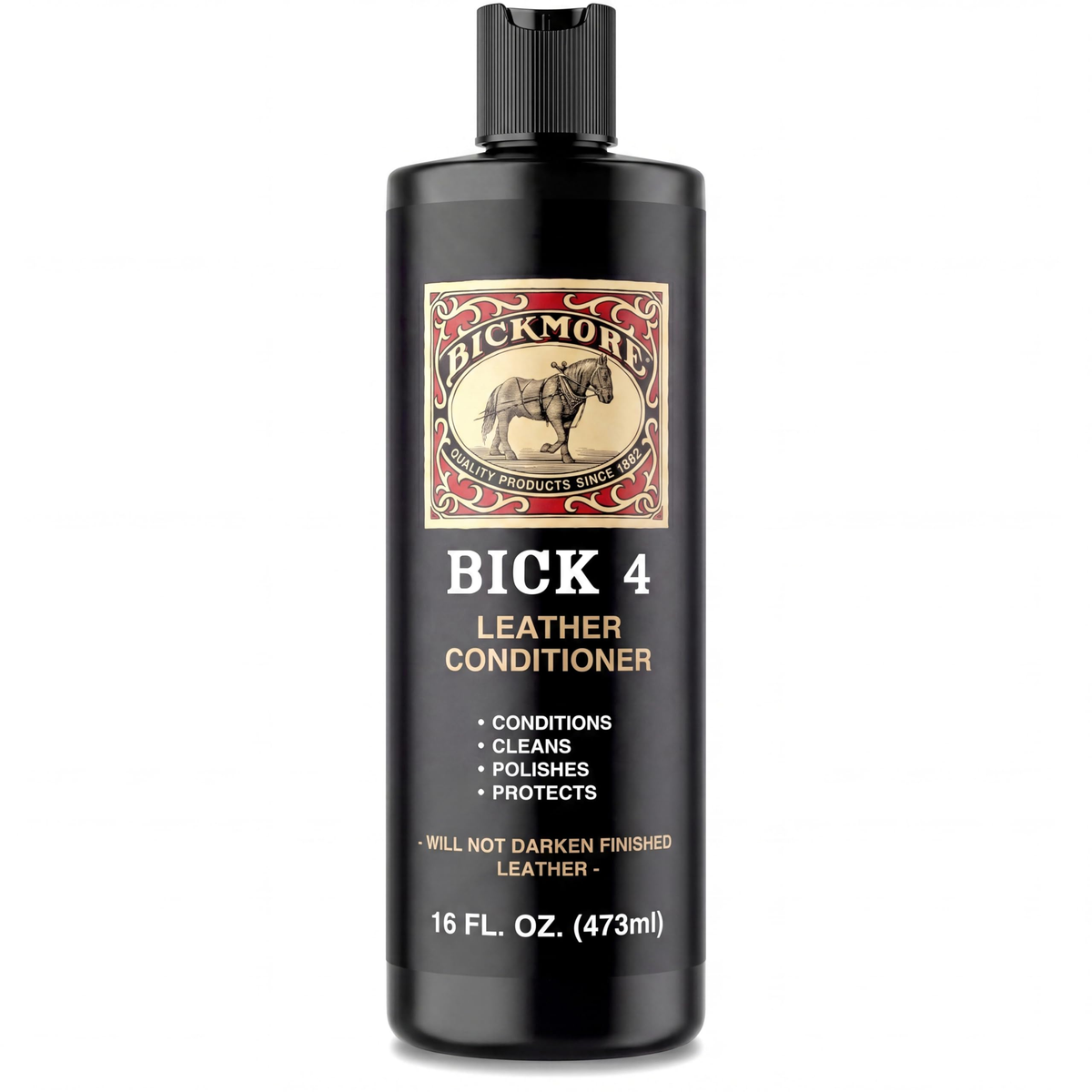
Two worth having on the shelf for specific situations: Leather CPR handles a quick post-ride wipe-down when you're short on time, and Bickmore Bick 4 is the right choice for pale or natural-colored leather where Effax's lanolin would darken the tone.
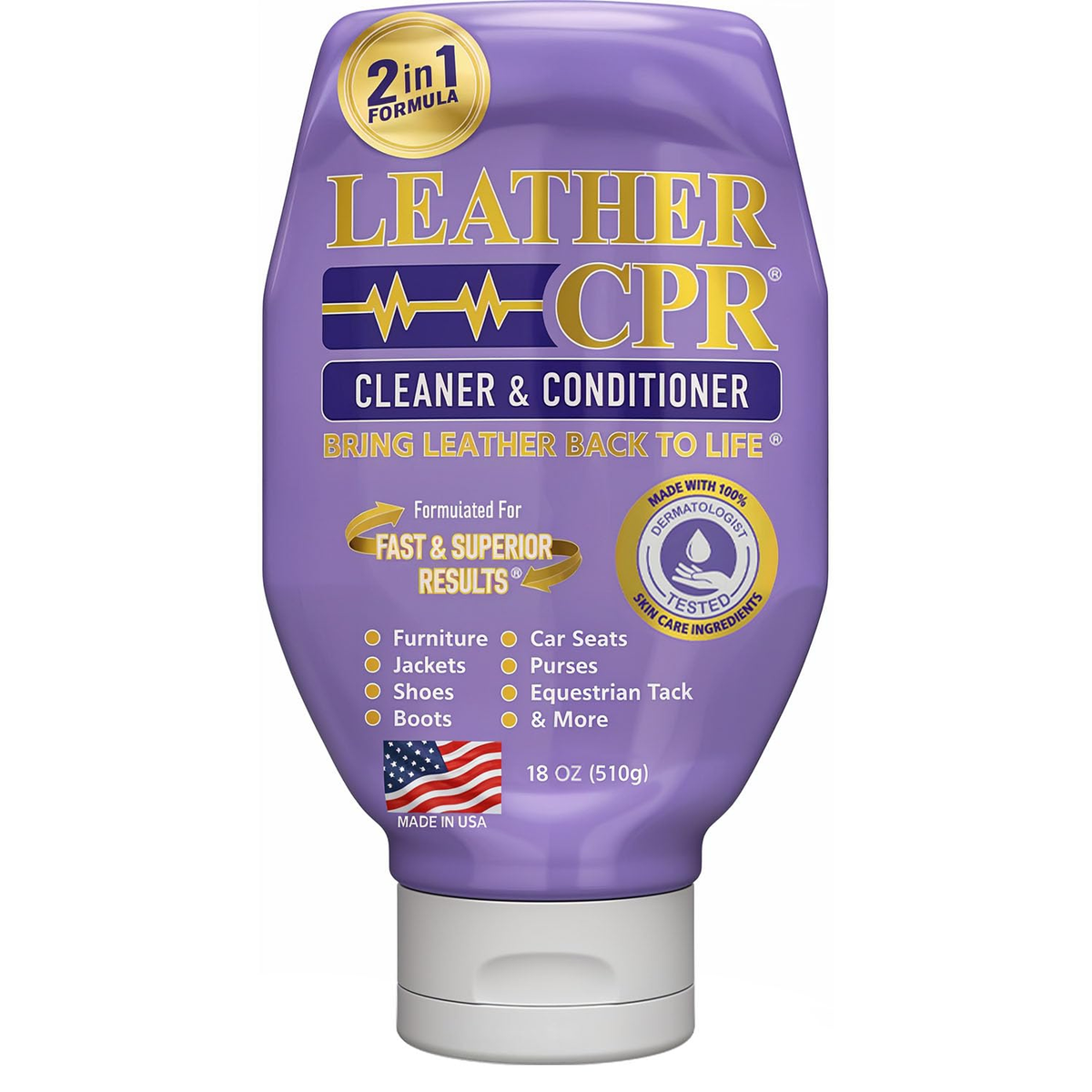
The 2-in-1
Leather CPR Cleaner & Conditioner
Shop Now →
For Pale & Light-Colored Leather
Bickmore Bick 4 Leather Conditioner
Shop Now →
For synthetic sponges that won't scratch fine-grain leather, microfiber cloths for buffing, and every product from this guide in one place — shop the full kit in our Amazon storefront.
Knowing how to clean and condition leather gets you halfway there. The other half is knowing what to buy in the first place.
Suede & Nubuck — Saddle Seats & Helmets
The suede on your saddle seat and the material on the outside of your helmet are almost certainly nubuck — technically different from suede (nubuck is sanded from the outside of the hide, suede from the inside) but close enough in care that the same approach applies to both. The practical difference is that nubuck is slightly more durable and holds up better to repeated contact. Either way, the rules are the same.
What to Use — and What Ruins Suede Permanently
- Brush: A nylon or brass-bristle suede brush only. Always brush in one direction — back and forth flattens the nap unevenly.
- Eraser: A suede eraser block for spot stains. Rub gently in the direction of the nap.
- Never use water alone: It dries into a stiff, discolored patch. If moisture is needed, use a proper suede cleaner.
- Never use regular leather conditioner: It flattens the nap permanently and leaves an oily sheen that cannot be reversed.
- Never use a terry cloth rag: The loops catch and pull the nap. Use only the brush and eraser included in a suede kit.
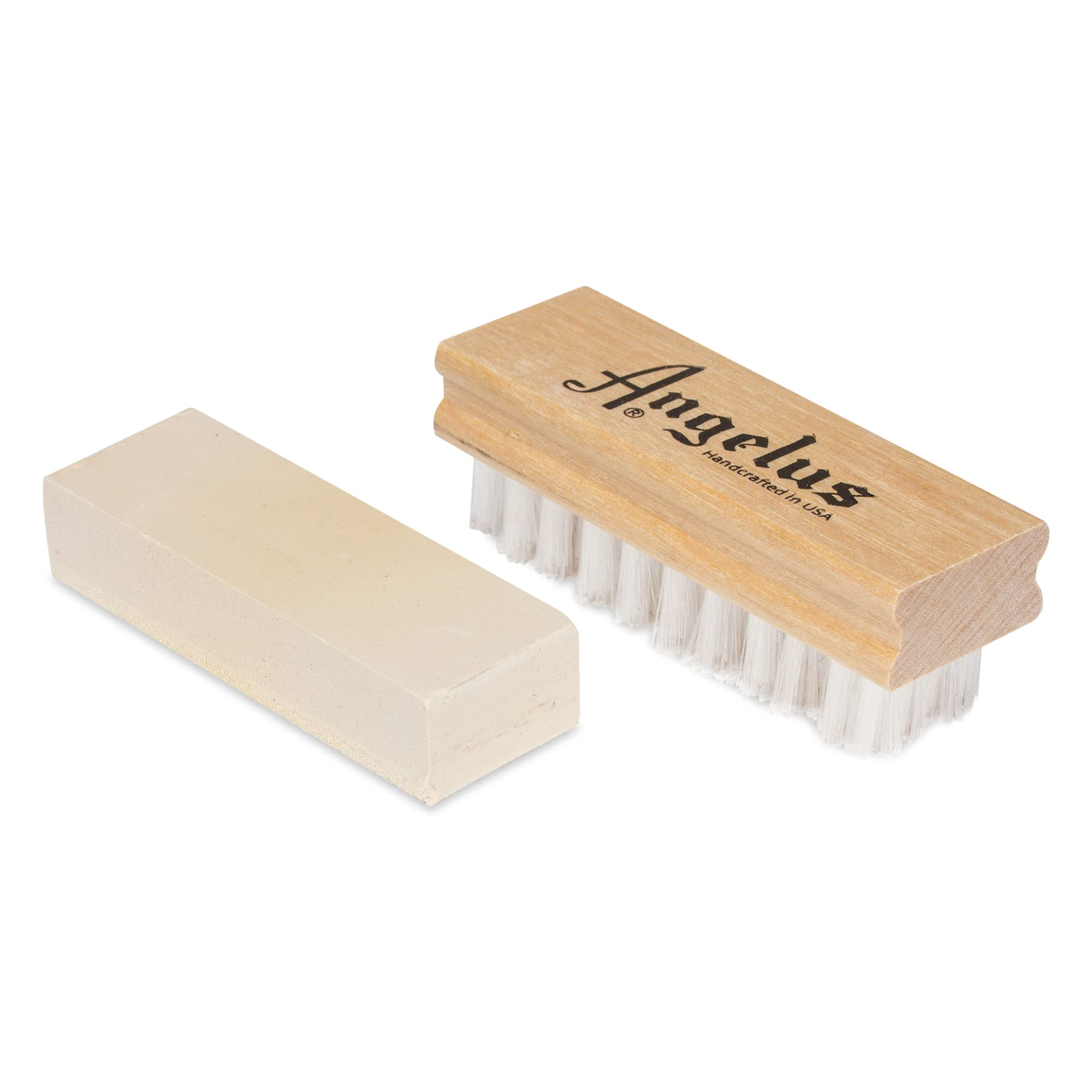
Our pick for suede and nubuck care is the Angelus Suede & Nubuck Cleaner Kit — the brass-and-nylon brush and cleaning eraser handle everything from daily dust removal to stubborn dry stains, without any product that could damage the nap.
Our Pick — Suede & Nubuck Care
Angelus Suede & Nubuck Cleaner Kit
Around $11
Angelus → Shop Now*Affiliate link — we earn a small commission at no extra cost to you.
Wool & Merino — Coolers, Blankets & Base Layers
Wool is one of the oldest performance materials in the barn. It regulates temperature, wicks moisture away from the skin, and resists odor naturally — which is why it's still the fabric of choice for coolers, stable rugs, and cold-weather riding layers after thousands of years of alternatives. Merino is wool's high-performance version: softer, finer fiber (17–18 microns vs. standard wool's 20–30+), dramatically more comfortable against the skin, and even better at odor resistance. A merino base layer worn under a show jacket is invisible, weightless, and keeps you comfortable from 5am barn chores through the afternoon round.
Wool & Merino Care Rules
- Never machine wash on warm or hot: Heat causes wool fibers to felt — an irreversible process that shrinks and stiffens the fabric permanently.
- Never wring: Wringing distorts the fiber structure. Roll in a clean towel to remove moisture.
- Applicator: Your hands for hand-washing. If machine washing, use a mesh laundry bag on the gentlest, coldest cycle with no agitator.
- Never tumble dry on heat: Air dry flat to preserve shape. Hanging causes stretch at the shoulders.
- Store folded, not hung: Wool and merino will stretch on a hanger over time.
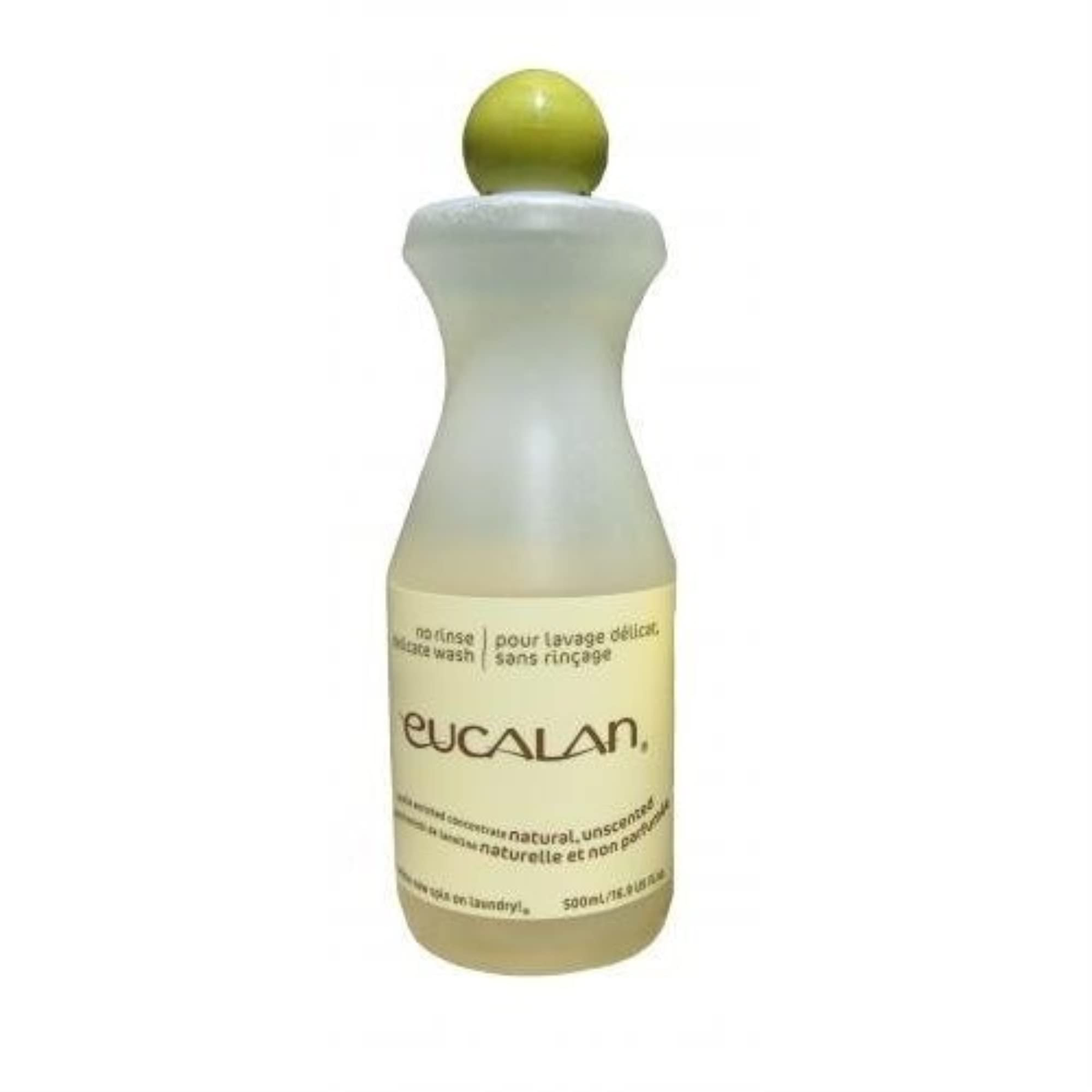
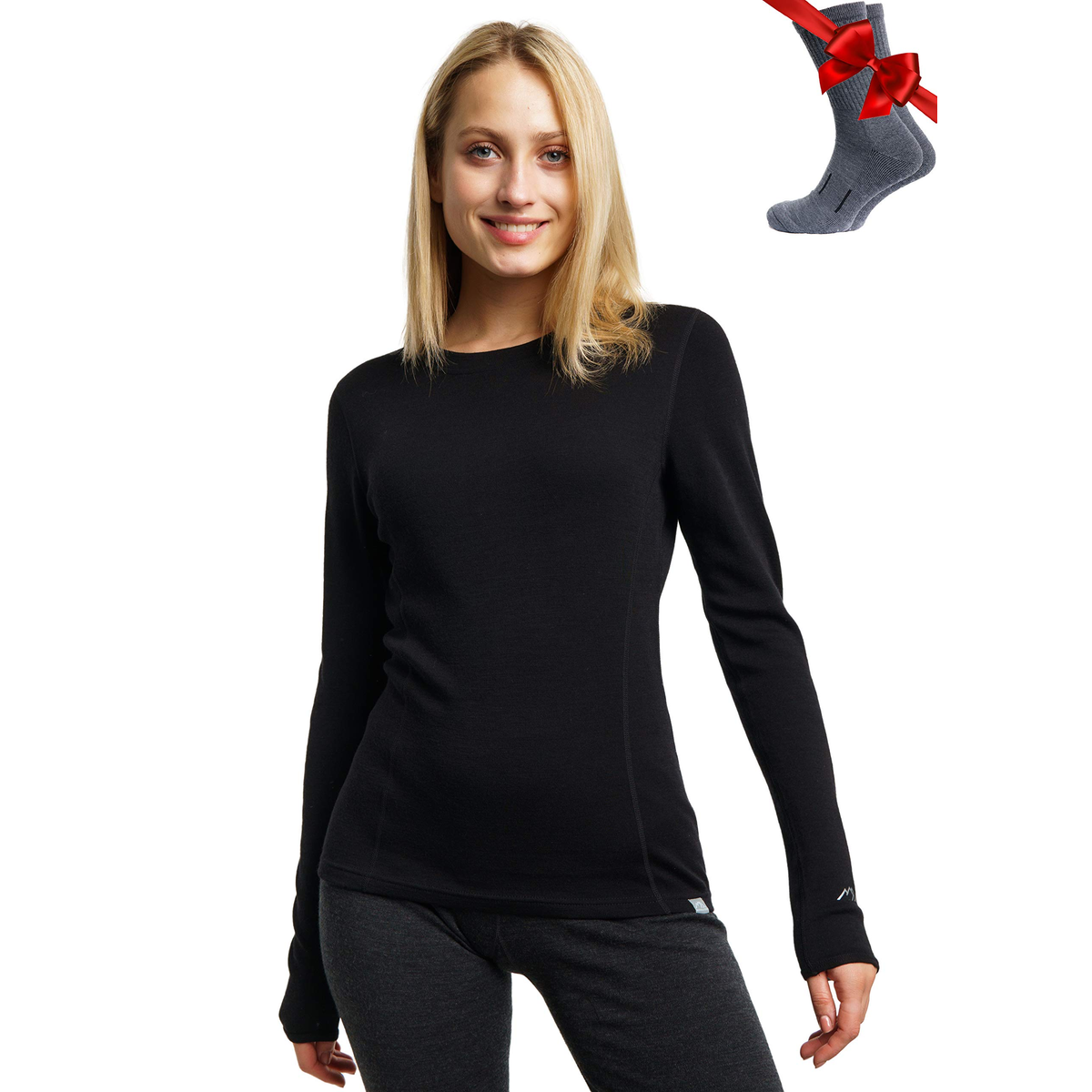
For washing: Eucalan No-Rinse Delicate Wash handles coolers, blankets, and fine merino layers without the rinse cycle that risks felting. For the layer itself: the Merino.tech Women's Merino Wool Base Layer is the one we reach for when it matters — 17.5-micron fiber, temperature-regulating, thin enough to disappear under a show coat.
Wool Wash
Eucalan No-Rinse Delicate Wash
Shop Now →
Merino Base Layer
Merino.tech Women's Merino Wool Base Layer
Shop Now →
Synthetics — Breeches, Riding Tops & Technical Gear
Modern synthetic riding gear is engineered specifically for what the discipline demands: four-way stretch that moves with the rider, moisture-wicking that pulls sweat away from the skin, compression that supports muscle and reduces fatigue, and fabrics light enough that they don't slow you down. The technical riding clothes that come out of brands like Kerrits, RJ Classics, and Irideon are not compromises — they're purpose-built performance textiles that natural fibers simply cannot match in the saddle.
The challenge with synthetics is that the same fiber structure that makes them breathe and stretch also traps odor molecules differently than natural fibers. Standard detergent and heat treatment can actually set that odor into the fabric permanently over time. The answer isn't to avoid synthetics — it's to care for them correctly.
Synthetic Care Rules
- Never use fabric softener: It coats the synthetic fibers and destroys the moisture-wicking properties permanently. One wash with softener and the breathability is gone.
- Wash cold, always: Heat degrades elastane (the stretch component in most breeches). Cold water protects the structure.
- Mesh laundry bag: Prevents pilling from friction against other garments. Essential for technical riding tops with four-way stretch panels.
- Air dry when possible: Even low dryer heat shortens the lifespan of technical synthetics. A quick air dry preserves the compression and stretch.
- No bleach: Degrades synthetic fibers and destroys DWR (water-repellent) finishes on technical outerwear.
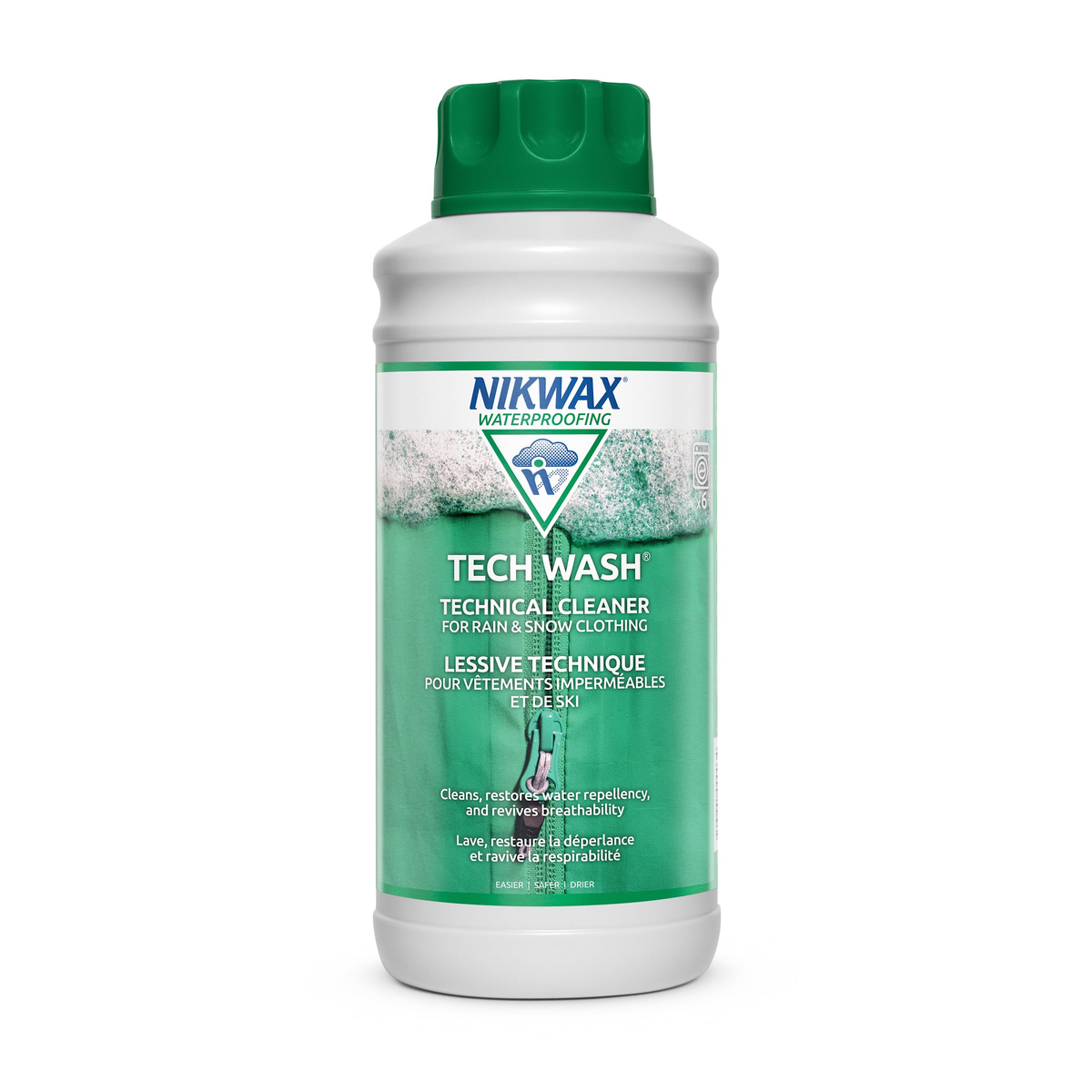
For technical gear, Nikwax Tech Wash is the only detergent we trust — PFAS-free, safe for Gore-Tex and DWR finishes, and formulated to actually remove odor-causing residue from synthetic fibers rather than coating over it.
Our Pick — Synthetic & Technical Gear Wash
Nikwax Tech Wash
Around $16
Nikwax → Shop Now*Affiliate link — we earn a small commission at no extra cost to you.
Neoprene — Bell Boots, Splint Boots & Girths
Neoprene shows up everywhere in the barn and rarely gets the attention it deserves. Bell boots, splint boots, open-front boots, and many girths are either fully neoprene or lined with it — which means this material is pressed directly against your horse's skin for every ride. What builds up on the inside of a neoprene boot (sweat, dirt, bacteria, fungal spores) goes straight onto your horse's legs and girth area. Skin irritation, rubs, and conditions like scratches can trace back to boots and girths that haven't been cleaned properly or often enough.
Neoprene is easy to clean — but because it sits directly on the horse, nothing harsh should go near it. No bleach, no antibacterial dish soaps with added fragrance or dyes, no strong chemical sprays. What you want is gentle, thorough, and completely rinsed clean.
Neoprene Care Rules
- Rinse after every use: A quick cold-water rinse after each ride removes sweat and surface dirt before it sets into the material. Takes 30 seconds and prevents most of the buildup.
- Deep clean weekly for boots in regular use: Hand wash with a small amount of unscented mild soap, soft sponge or cloth, cool to lukewarm water. Never hot — heat degrades neoprene and can warp the shape of boots.
- Rinse until the water runs completely clear: Any soap residue left behind goes directly onto the horse's skin. This step matters more than the wash itself.
- Air dry completely before storing: Neoprene traps moisture inside its structure. Storing damp boots or girths is how bacteria and mold take hold. Stand boots upright or hang girths — never fold and store while wet.
- Never machine wash with agitation: The tumbling action can separate the neoprene lining from the outer shell and permanently deform the shape of boots.
- Never use bleach, scented soaps, or antibacterial detergents: These leave chemical residue that irritates horse skin. Unscented only.
- Applicator: Soft sponge or microfiber cloth only. Scrub brushes with stiff bristles can abrade the neoprene surface and cause it to break down faster.
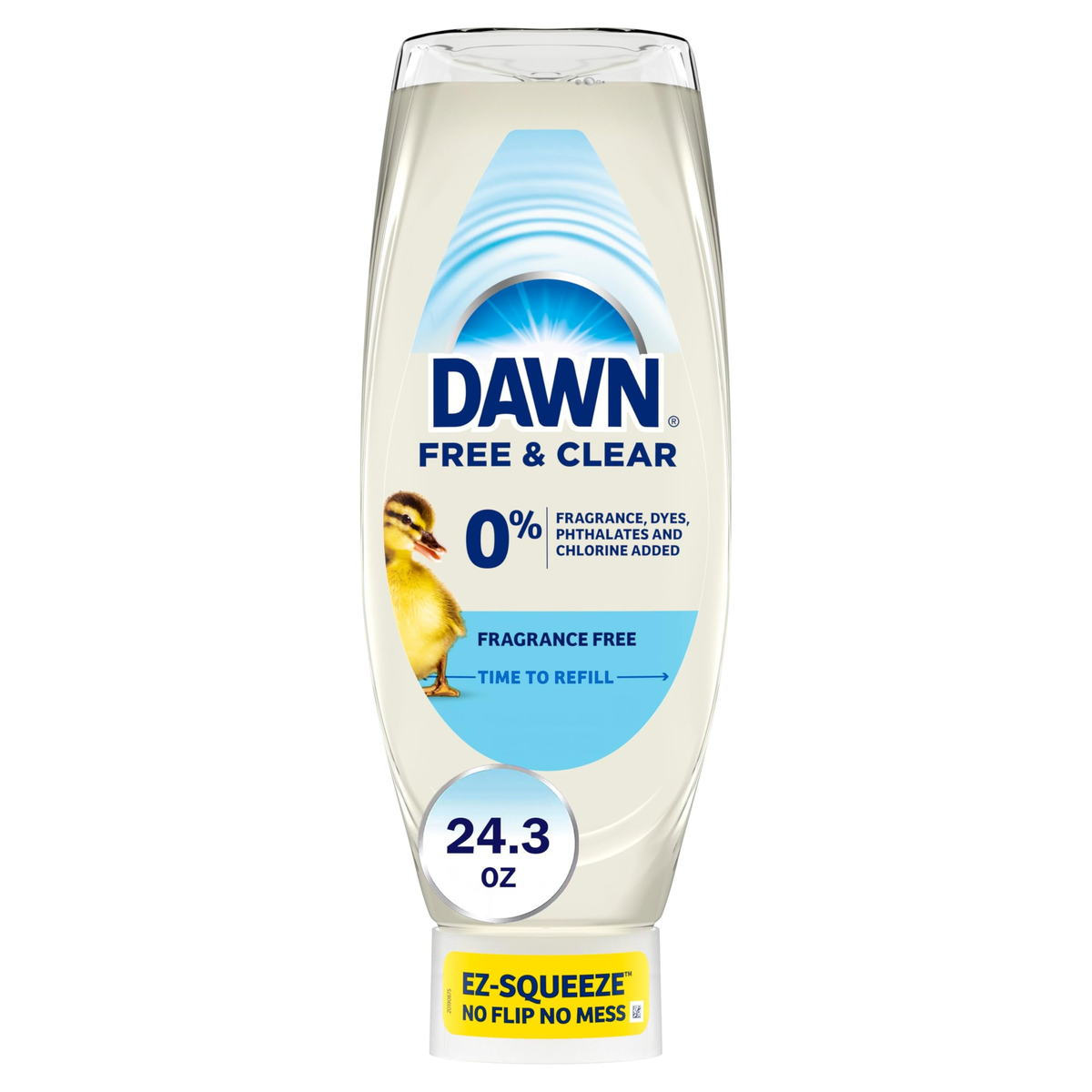
For the wash itself, Dawn Free & Clear Unscented Dish Soap is the recommendation — no fragrance, no dye, no antibacterial additives that would irritate the horse's skin.
Our Pick — Neoprene Wash
Dawn Free & Clear Unscented Dish Soap
Around $6
Dawn → Shop Now*Affiliate link — we earn a small commission at no extra cost to you.
For odor between washes, the Absolutely Clean Barn Deodorizer recommended in the odor section works on neoprene too — spray lightly on the inside surface after rinsing and allow to air dry fully before the next use.
If you're in the habit of cleaning and conditioning regularly, you're already thinking about tack the right way. Here's the guide to choosing tack that's worth the effort in the first place.
Cotton & Linen — Barn Work Clothes
For the hours that aren't riding — mucking, feeding, hauling, grooming — cotton and linen are the right choice. Both are natural fibers that breathe well, wash easily, and get softer with every cycle. More practically: they don't cling when they're wet, they don't hold static, and unlike synthetics, they don't trap the kind of deep barnyard odor that follows you into the rest of your day.
The one non-negotiable for barn work: go dark. Navy, chocolate brown, charcoal, forest green, faded black — any of these will hide the manure smear on the forearm, the hoof pick stain on the thigh, and the mysterious green thing that came from somewhere near the water bucket. Light-colored cotton in the barn is a choice you'll regret by 8am.
Cotton is the workhorse: durable, widely available, inexpensive to replace. Linen takes it further — it's even lighter than cotton, naturally antimicrobial, and has a slight texture that reads as intentional rather than casual. Linen also has a longer dry time, which matters in humid barn conditions, so lighter weights perform better than heavy linen in summer.
Cotton & Linen Care Rules
- Wash in cold or warm: Hot water can shrink cotton — size down if you're buying pieces that will live in hot washes.
- Spot treatment: A soft-bristle brush (old toothbrush or natural fiber scrub brush) with a small amount of dish soap handles most barn stains before washing.
- Linen: Air dry when possible and shake out while still damp to reduce wrinkles. Linen only needs ironing if you're taking it off the barn property.
- Dark colors: Wash dark cotton and linen inside-out to preserve color longer.
- No dryer sheets on barn clothes: The coating they leave on fibers makes odor cling longer in subsequent wears.
“Go dark for barn work. Navy, chocolate, charcoal. Anything that hides what the barn will inevitably put on it by 8am.”
Waxed Cotton — The Barn Jacket That Lasts Decades
The waxed cotton barn jacket is one of the few garments you buy once. A Barbour Beadnell or Classic Beaufort, cared for properly, will outlast everything else in your wardrobe. The wax coating is what does the work — it repels rain, wind, and abrasion, and it develops a natural patina over years of wear that makes the jacket look better, not worse, with age. The Barbour jacket hanging by the back door that looks like it's been everywhere is not neglected — it's loved.
But that wax coating needs maintenance. When water stops beading on the surface and starts soaking in, the jacket needs reproofing. Most waxed cotton jackets need re-waxing once a year with regular use, or every two to three years for lighter wear.
Waxed Cotton Care Rules — No Exceptions
- Never machine wash: The agitation and detergent strip the wax coating completely. Hand-rinse only with cold water if needed.
- Never tumble dry: Heat melts and redistributes the wax unevenly. Always air dry, away from direct heat sources.
- Never iron: Direct iron heat melts the wax. If you need to smooth the fabric, use a hairdryer on low at a distance.
- Spot clean only: Cold water and a soft cloth for mud or stains. No soap, no detergent — these both remove wax.
- Applicator for re-waxing: The sponge included in the Barbour kit, or a soft lint-free cloth. Apply in small sections, work into seams.
- Re-wax warm: Warm the jacket slightly (low hairdryer, or leave in a warm room) before applying wax so it penetrates rather than sitting on the surface.
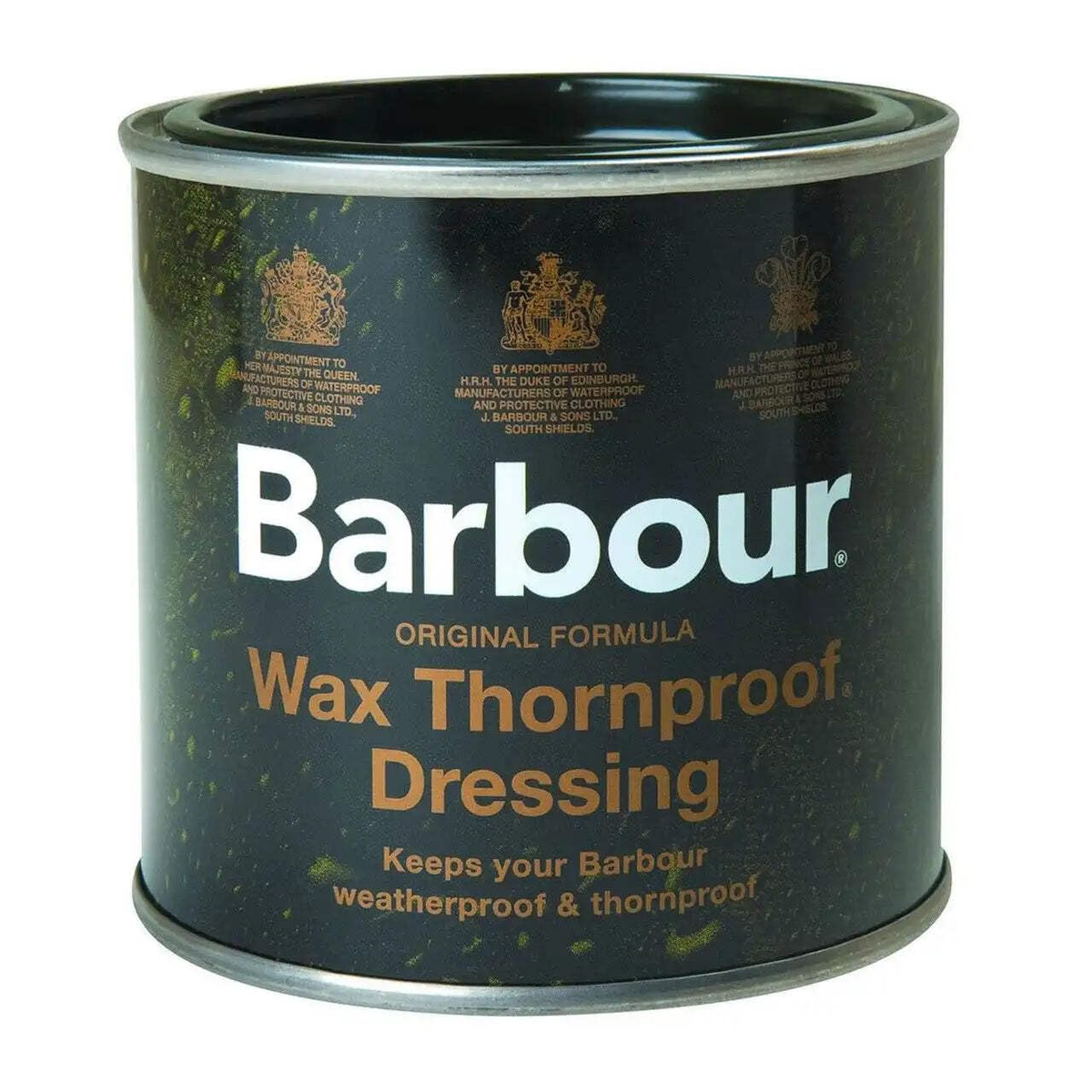
For reproofing, there's only one product that belongs on a waxed cotton jacket: Barbour Thornproof Wax Dressing. The jacket was made with this formula. Using anything else risks mismatched chemistry.
Our Pick — Waxed Cotton Re-Proofing
Barbour Thornproof Wax Dressing
Around $22
Barbour → Shop Now*Affiliate link — we earn a small commission at no extra cost to you.
Cashmere — The Off-Horse Layer
Cashmere earns its reputation not because it looks expensive but because it performs in a way no other fiber does at the same weight. A fine cashmere layer is thin enough to wear under a waxed cotton jacket, warm enough to make a cold morning at the barn bearable, and refined enough to wear straight from the barn to wherever you're going next without announcing that you spent the last hour with horses. It is the barn-to-dinner material.
Keep cashmere away from the cross-tie area. It's not a work fiber — it's what you wear when the horses are put away. The Eucalan No-Rinse Wash recommended in the wool section handles cashmere equally well. Hand-wash only in cool water, roll in a towel to remove moisture (never wring), and air dry flat. Never hang a cashmere piece — it will stretch at the shoulders permanently within a few wears.
Natural Odor Care Across All Fabrics
Barn smell is not a surface problem. The compound that makes barn clothes smell is primarily ammonia from urine and hydrogen sulfide from manure — both of which penetrate fabric fibers at a molecular level. Masking products like dryer sheets and synthetic fragrance sprays do exactly that: mask. The molecules are still there, and they off-gas again the next time the garment warms up against your skin.
Enzyme-based products work differently. Natural enzymes break down the organic compounds at the source — consuming the odor molecule itself rather than covering it. This is why enzyme sprays are the standard in professional barn management, and why they belong in your laundry routine too.
What Not to Use on Barn Odor
- Dryer sheets: Leave a coating on fibers that makes odor cling longer. Avoid entirely on barn clothes.
- Heavy perfumed detergents: Mask rather than eliminate. Can also irritate horses sensitive to strong scents.
- Febreze and similar sprays: Cyclodextrin-based odor masking, not elimination. Temporary at best.
- Bleach on natural fibers: Degrades wool and cotton fibers and doesn't address organic barn odor effectively.
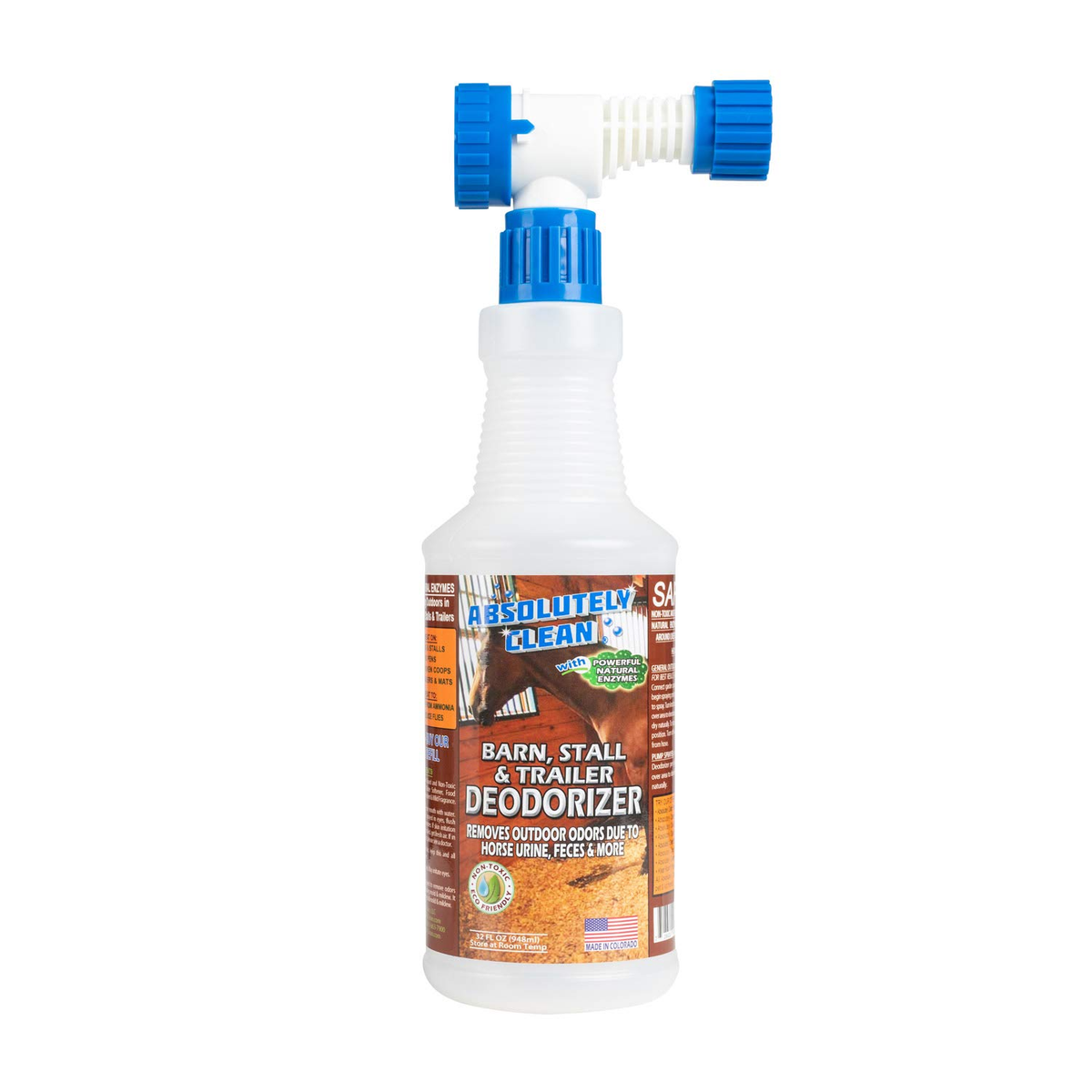
Our picks for the two products worth keeping in the barn: Absolutely Clean Barn Deodorizer as a spray for gear you can't machine wash, and the Enzyme Laundry Booster as an additive in every load of barn clothes and riding gear.
Fabric + Surface Spray
Absolutely Clean Barn Deodorizer
Shop Now →
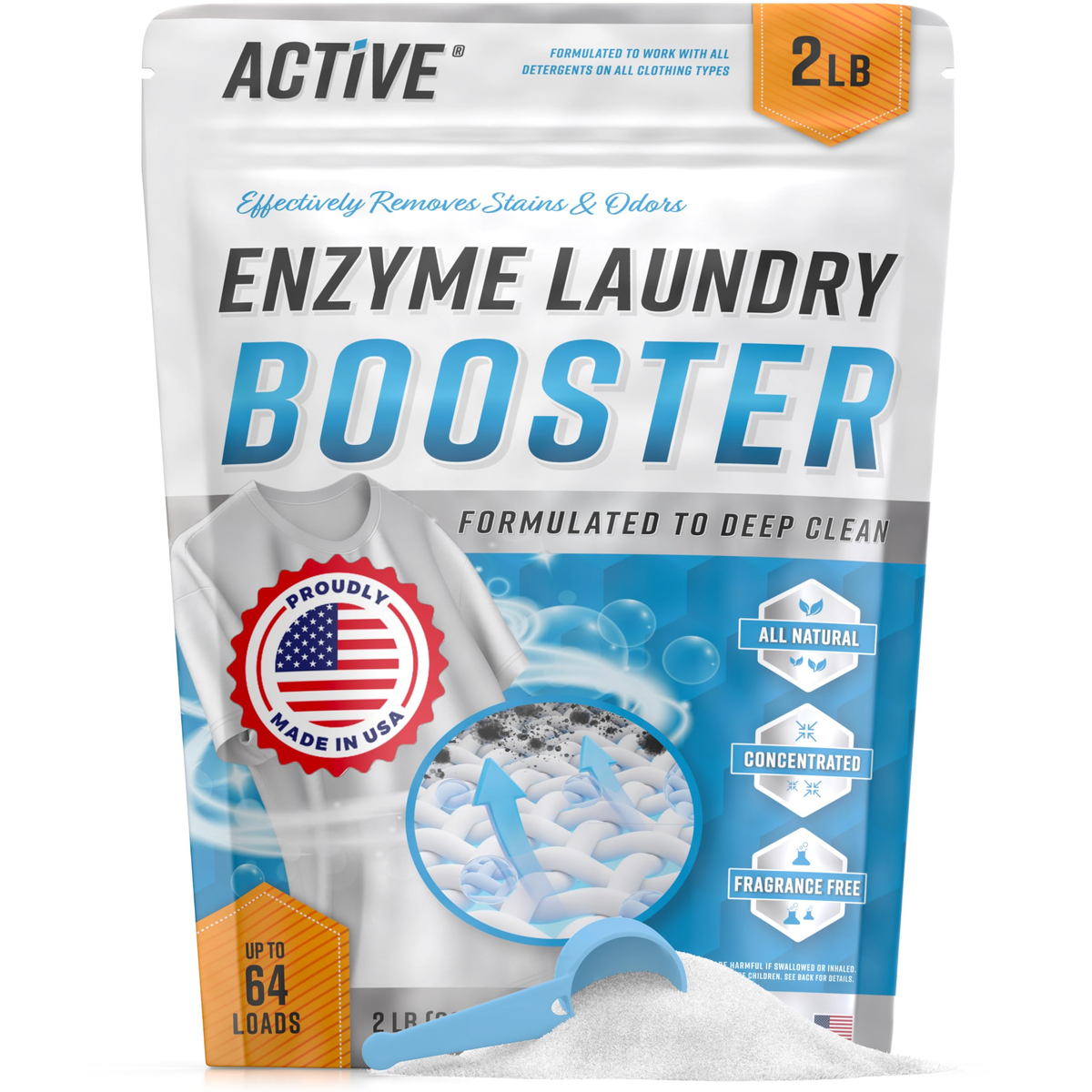
Laundry Additive
Enzyme Laundry Booster Odor Remover
Shop Now →
Fabric by Occasion
When you just need to know what to reach for.
- Barn work & chores — Best: Dark cotton or linen — hides stains, breathes, washes easily. Avoid: White or pale synthetics, cashmere, waxed cotton near hay.
- In the saddle — Best: Technical synthetics — engineered for stretch, wicking, and grip. Avoid: Heavy cotton (absorbs sweat, adds bulk, restricts movement).
- Cold morning rides — Best: Merino base layer + synthetic riding top. Avoid: Thick wool directly against skin (itchy, too bulky under tack).
- Show day — Best: Technical show coat + merino or synthetic base layer. Avoid: Cotton shirts under a show jacket (they wrinkle and show).
- Cold barn evenings — Best: Waxed cotton jacket + merino or wool layer underneath. Avoid: Down (compresses when wet, not barn-practical).
- Barn to dinner — Best: Cashmere, dark linen, or waxed cotton — all travel well. Avoid: Synthetic fabrics that hold barn odor through the evening.
“The bridle that lasts a decade and the jacket that looks better at year ten than year one does not just happen by accident. It happens because someone who understood what they were working with took care of it.”
Everything featured in this guide lives in our Amazon storefront — one place to shop the full kit, including applicators and every care product from this guide.
Frequently Asked Questions
How often should I condition my leather tack?
Clean and condition after every heavy sweat session, and do a full conditioning pass at least once a week with regular riding. Bridles and reins — anything that contacts the bit and sweat directly — need it most. Seasonal storage should always start with a clean-and-condition before putting anything away. The leather that gets neglected over winter is the leather that cracks in spring.
Can I machine wash a waxed cotton jacket?
No — and this is the one rule with no exceptions. Machine washing strips the wax coating completely. If your jacket gets muddy, let the mud dry and brush it off. If it needs more than that, use cold water and a soft cloth only. No detergent, no soap, no machine. Re-wax annually with Barbour Thornproof Dressing to maintain the weatherproofing and the jacket will outlast everything else in your wardrobe.
What's the difference between suede and nubuck?
Nubuck is sanded from the outside of the hide; suede is split from the inside. Nubuck is slightly more durable and holds up better to contact — which is why it's the standard for saddle seats and helmet exteriors. Care rules are identical for both: suede brush, suede eraser, no water alone, never regular leather conditioner. If you're not sure which you have, treat it like nubuck.
Why does my riding gear still smell after washing?
Standard detergents mask odor — they don't eliminate it. Barn smell comes from ammonia and hydrogen sulfide, which penetrate fabric at a molecular level. Enzyme-based products are the only thing that actually breaks those compounds down at the source. Add an enzyme laundry booster to every wash load of barn clothes, and use an enzyme spray on gear you can't machine wash. The difference after a few washes is noticeable.
Can I use regular leather conditioner on a suede saddle seat?
No. Regular leather conditioner — including Effax, Leather CPR, and Bickmore — flattens the nap permanently and leaves an oily sheen that cannot be reversed. Suede and nubuck need a suede brush and eraser only. No conditioner, no oils, no liquids beyond a proper suede cleaner. This is one of the most common and most irreversible mistakes in tack care.
What do I do if my leather grows mold?
Don't reach for bleach — it kills surface mold but destroys the leather fiber underneath, and that damage is permanent. Wipe the affected area with a solution of one part rubbing alcohol to one part water, let it dry completely, then follow with a leather cleaner and conditioner to replace the oils the alcohol strips out. Mold on tack is almost always a humidity and airflow problem, not a leather problem — improving storage ventilation is what actually keeps it from coming back.
The Elevated Tack Room Lookbook
15 finds every equestrian actually needs — curated, tested, and worth every penny. Free when you join the list.
No spam. Unsubscribe anytime.
Done
You're on the list. Check your inbox — your guide is on its way.