

This article contains affiliate links. We earn a small commission on purchases at no extra cost to you.
The tack room is the heart of the barn. And yet most tack rooms are designed by accumulation — things added over years without any particular intention, organized when the chaos gets unbearable and forgotten until the next time. The room functions. It just never quite feels like it was designed.
Fewer things, chosen better. A floor that looks like a decision, walls that add warmth without a renovation, and two or three anchor pieces that make everything else look intentional. Build it in stages — most people do.
Start with the floor — and the walls
The tack room floor handles more punishment than almost any surface in the barn — boots, water, shavings, dropped equipment. It should look like a decision anyway. The AIRHOP 0.56-inch exercise mats (48 sq ft, 12-tile kit, around $149) read less like gym equipment than the name suggests. High-density EVA foam under a rubber surface — cushioned enough to stand on for an hour of leather cleaning, finished in charcoal that works alongside wood and brass without competing. Interlocking tiles, no tools, and clean in under two minutes.
On the walls: wood slat panels (47.2 × 23.6 in., around $99 per pair) run halfway up give the wainscoting effect without a contractor. Stop at chest height. Paint the upper half in Evolve Barn & Fence Paint in Hunter Green — a formula built for barn conditions, satin finish, around $30 a can. Heritage green reads as intentional beside wood and brass. It also happens to be one of the few paint colors that improves with age rather than looking tired.
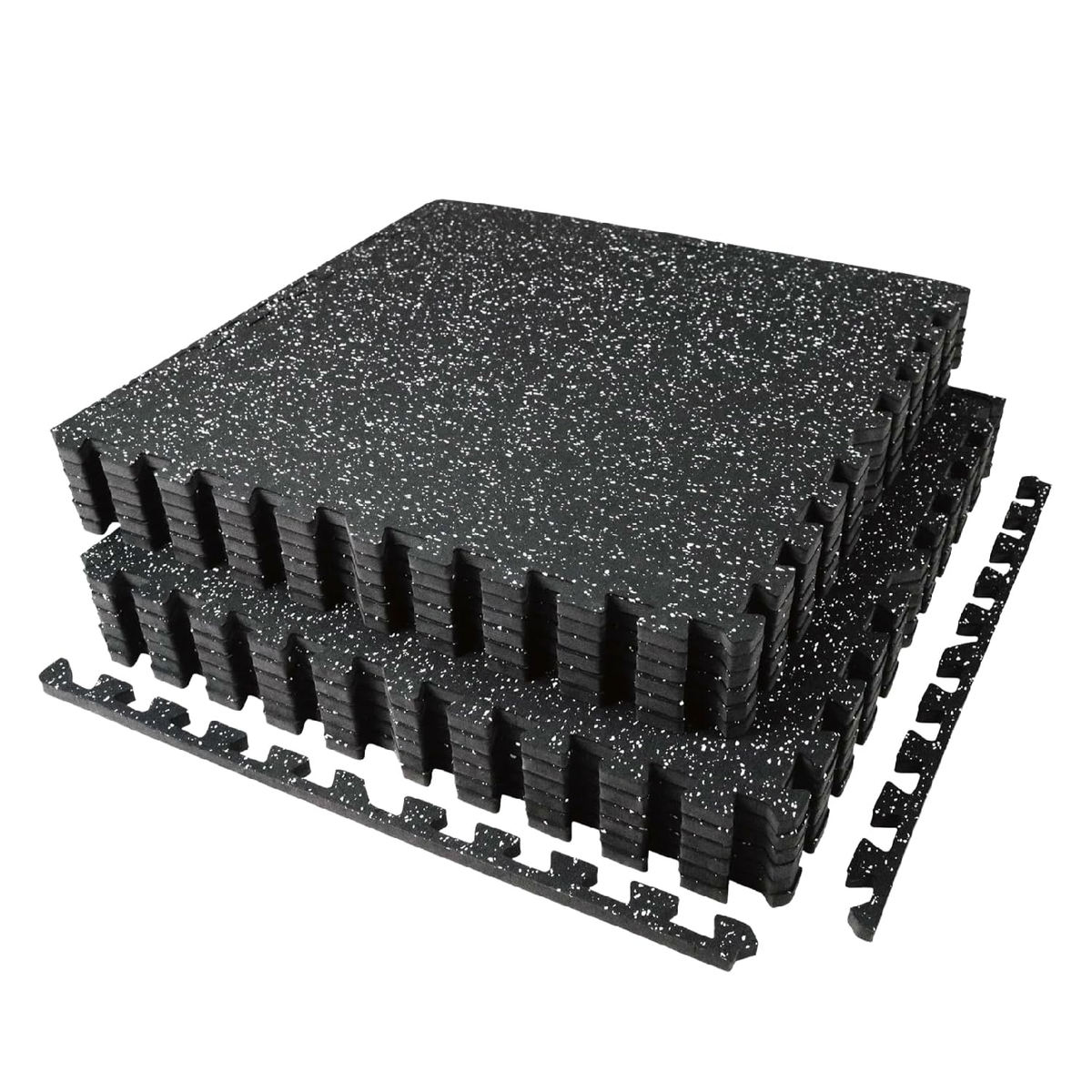
Our Pick · Tack Room Floor
0.56-Inch Exercise Equipment Mats — 48 sq ft Kit
Shop Now →
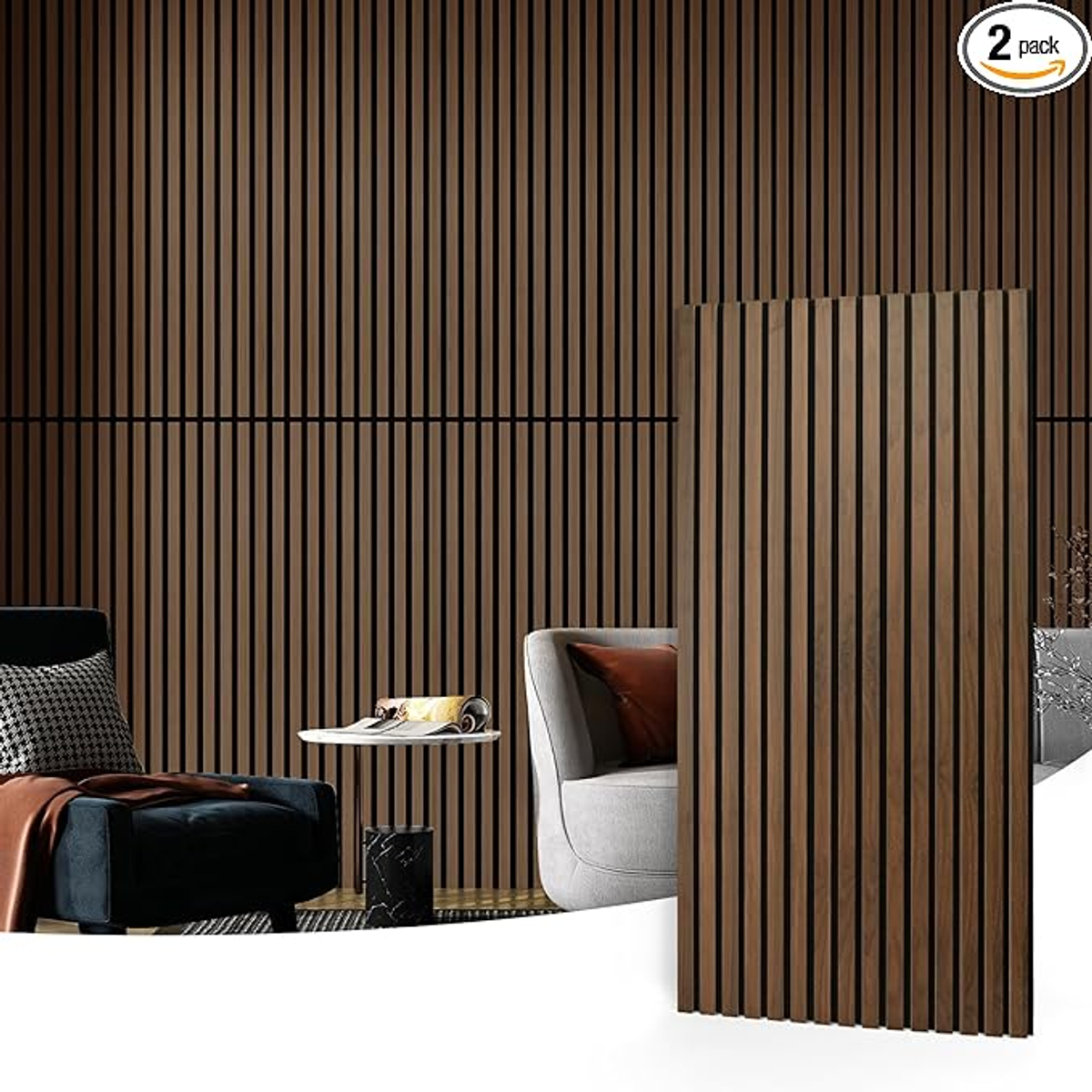
Our Pick · Wall Panels
Wood Slat Wall Panels — 47.2 × 23.6 in., Set of 2
Shop Now →
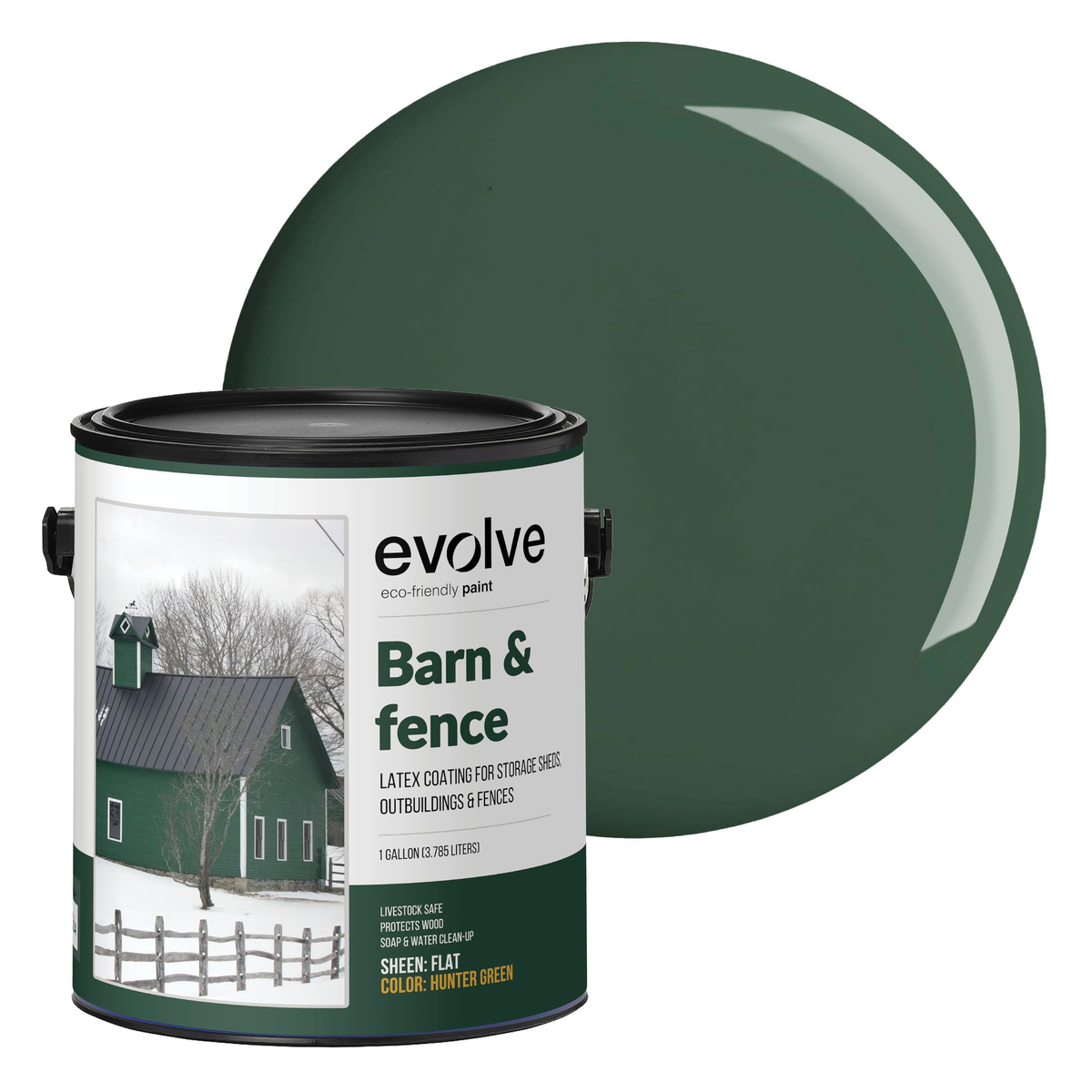
Our Pick · Wall Paint
Barn & Fence Scratch-Resistant Paint — Hunter Green
Shop Now →
The anchor piece: a saddle rack that changes the room
The saddle rack sets the tone for everything else in the room. A generic black steel rack and a hand-finished brass and wood saddle rack perform the same function. They do not produce the same room.
At around $190, this is the anchor purchase — hand-polished brass hardware on warm hardwood, a mounting profile that works vertically for multiple horses or side-by-side for multiple saddles. Pair it with the matching bridle holder. The uniformity of the hardware reads as intentional in a way that mismatched pieces never do, regardless of individual quality.
One practical note: the wall needs solid backing. Into studs or blocking, this holds a loaded saddle without movement. Hollow drywall alone will not.
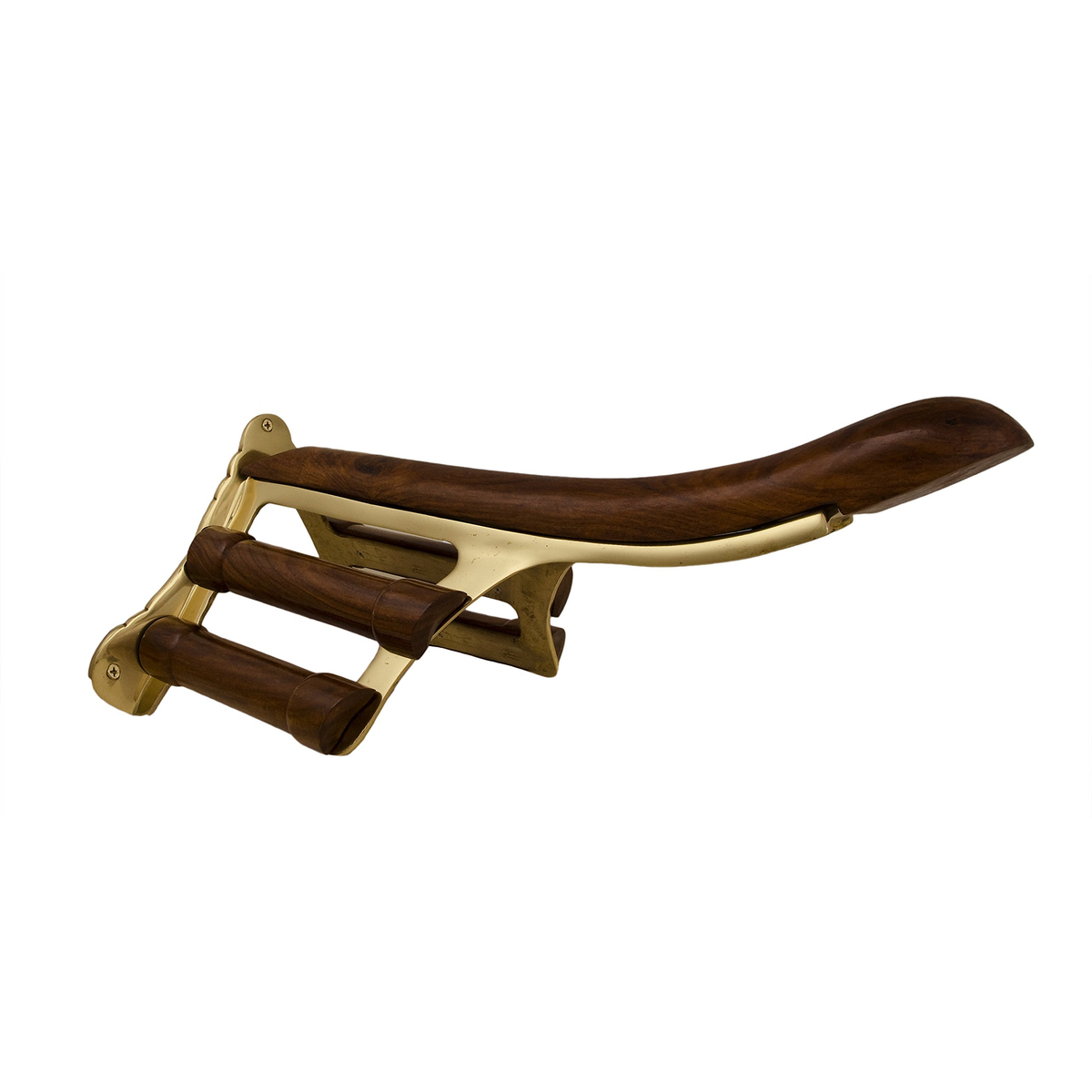
Our Pick · The Room's Anchor · Saddle Storage
Brass & Wood Saddle Rack
Around $190
Tack Room Studio → Shop Now*Affiliate link — we earn a small commission at no extra cost to you.
“The tack room is where discipline begins. Design is a form of discipline.”
Storage that earns its space
Once the wall pieces are in place, the storage layer is what separates a tack room that looks organized from one that actually is. The Leather, Wood & Brass Blanket Rack at around $375 is the premium statement piece. Made in the USA — leather straps, solid wood rails, brass hardware that matches the saddle rack wall. This is the one you buy once. The joinery holds after a season; it holds after a decade.
If around $375 is the wrong number right now, the around $55 USA-made saddle pad rack covers the functional job well. Build up to this one.
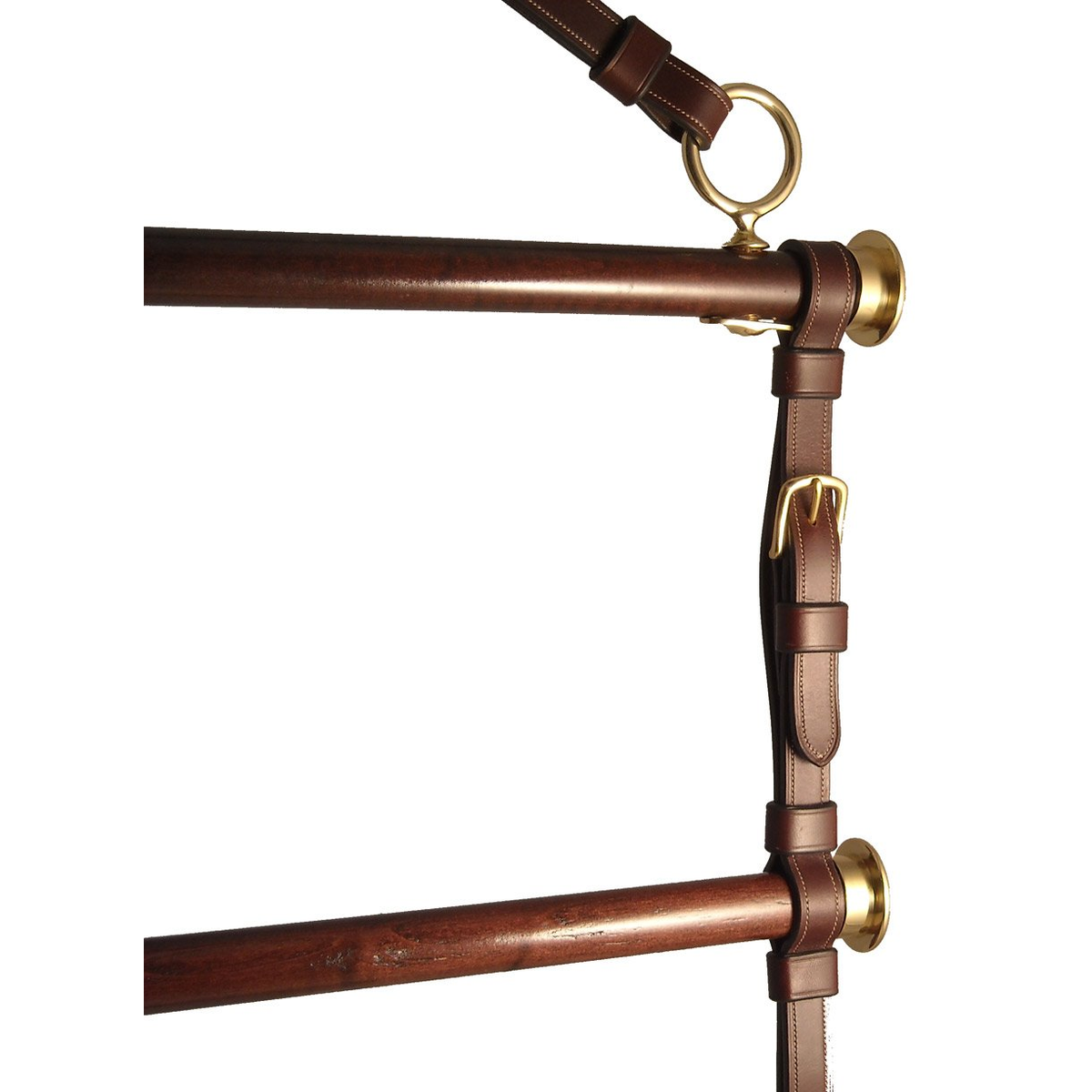
Investment Pick · Statement Storage · Blanket Storage
Leather, Wood & Brass Blanket Rack
Around $375
Horse Fare Products → Shop Now*Affiliate link — we earn a small commission at no extra cost to you.
The organizing details
Two supporting pieces complete the system. The Wood Grooming Tote with Customized Brass Plate (around $165) solves the named-by-horse organization problem cleanly — one caddy per horse, brass plate engraved, brushes and picks and polo wraps assigned. The brass nameplate is the system, not a decorative detail. The Leather Portfolio and Binder (around $54) handles what every barn needs accessible but rarely is: Coggins papers, vaccination records, ownership documents, vet notes. A leather binder on the shelf beside the cabinet doesn't look like an afterthought. A plastic accordion folder does.
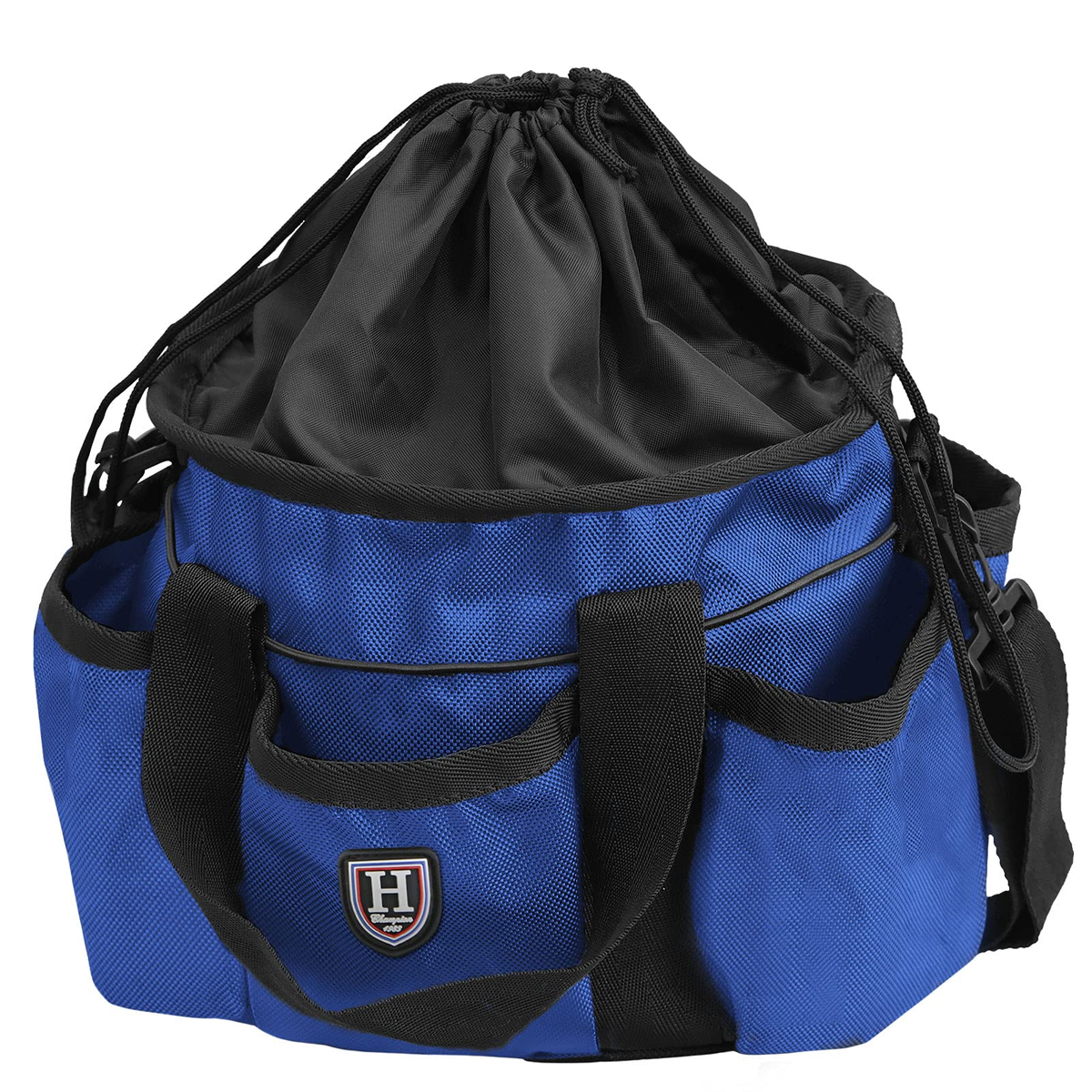
Our Pick · Per-Horse Organization
Wood Grooming Tote with Customized Brass Plate
Shop Now →
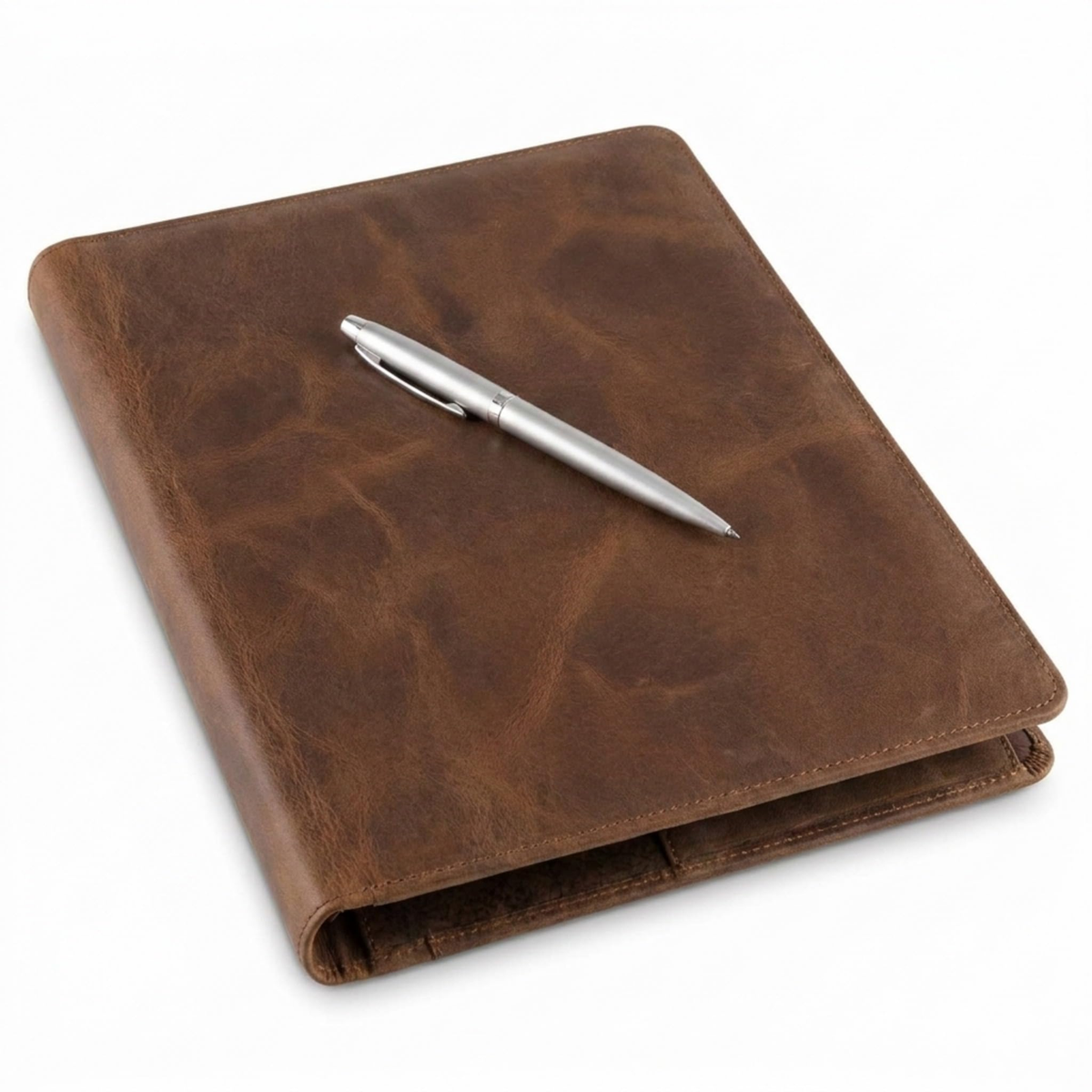
Our Pick · Record Keeping
Leather Portfolio and Binder
Shop Now →
What to leave out
Accumulation is what kills a tack room. Things added over years without editing, become pieces that no longer earn their rent but take up space. Find storage for these items, to pull out on the one time that one year you wanted to try it again. Don't trip over it everyday. A beautiful saddle rack loses half its impact when it sits beside three broken crops, a bucket of miscellaneous hardware, and a saddle pad that hasn't been washed since the previous owner.
One style of hardware throughout. One palette — wood tones, brass, and your wall color, nothing competing. Every item earns its spot or it doesn't stay. Buying fewer, better things is the design choice most riders don't make and then spend years working around.
Organization and design are two different skills. Once you know what stays, this guide handles where it goes.
The tack room doesn't exist in isolation. The stall setup next to it sets the tone for how the whole barn works.
The room is only as good as what's in it. Here's the guide to choosing the tack that's worth designing around.
Frequently Asked Questions
What flooring works best in a tack room?
High-density rubber or EVA foam mats are the practical standard — they absorb shock, resist moisture, and clean easily. The distinction worth making is between industrial stall mats (thick, heavy, suited to wash areas and high-traffic aisles) and the more finished interlocking foam tile systems that work better in a tack room proper. A tack room sees less water volume than a wash stall but more standing time, so the comfort-underfoot advantage of foam tile matters more here. Look for 0.5 inches or thicker with a rubber surface layer for durability.
How do you organize a tack room for multiple horses?
The most effective system assigns a dedicated zone per horse — one wall section with the saddle rack, bridle holder, and grooming tote all labeled with the horse's name. Brass nameplates on cabinets and grooming totes make the system visible and self-maintaining. When each horse has a clearly defined footprint in the room, it stays organized without active effort. The common failure mode is shared storage with good intentions — it works until it doesn't, and then everything is everywhere.
What wall color works best in a tack room?
Hunter green, deep navy, warm white, and rich saddle brown are the four that read as intentional in a tack room — they sit naturally beside leather, wood, and brass without competing. Avoid grey; it tends to read as unfinished rather than neutral in barn settings. Whatever color you choose, use a satin or eggshell finish: flat paint in a barn environment chalks within a season and won't survive a wet cloth. Barn-specific paint formulas handle humidity and temperature swings significantly better than standard interior paint.
Is a quality saddle rack worth the investment?
Yes, if you're storing leather saddles. A rack that holds the tree at the correct angle — slightly nose-up, weight distributed evenly across the bars — prevents the slow structural damage that happens when saddles are stored incorrectly over months or years. A saddle worth $2,000 stored badly will need reflocking or tree repair long before it should. A brass-and-wood rack that holds it properly is a maintenance decision, not an aesthetic indulgence. The look is a side benefit.
How do you make a tack room look designed rather than accumulated?
Three principles: consistent hardware (one finish throughout — brass or iron, not both), a limited palette (wood tones, one wall color, your hardware metal — nothing else), and ruthless editing (every item on a wall or shelf earns its spot or it goes). The difference between a tack room that looks designed and one that just looks organized is usually the absence of things rather than the addition of them. Start by taking everything off the walls and putting back only what you would deliberately choose to have there.
The Elevated Tack Room Lookbook
15 finds every equestrian actually needs — curated, tested, and worth every penny. Free when you join the list.
No spam. Unsubscribe anytime.
Done
You're on the list. Check your inbox — your guide is on its way.